Leave Your Message

Why Choose Motion Sensor Spotlight Solar Lights?

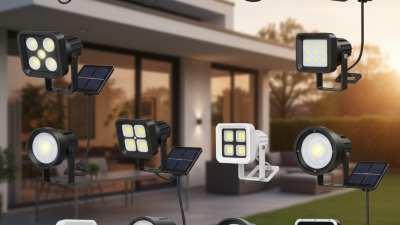
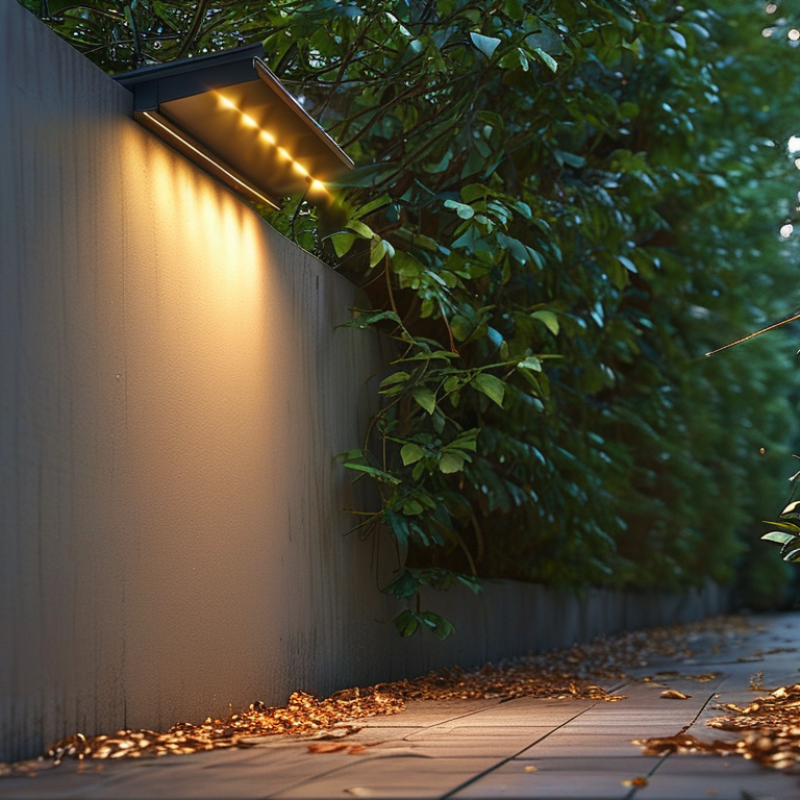
Why Choose Motion Sensor Spotlight Solar Lights? The answer begins with a simple outdoor problem: dark paths, unlit driveways, and wasted electricity. Motion Sensor Spotlight Solar lights respond only when movement appears. A person approaches the porch, and a focused beam switches on. Leaves shake in the wind, and the sensor may react too. That detail matters.

Solar lighting specialist Dr. Steven Chu explains, “Reliable clean technology must serve real people, not ideal conditions.” His principle fits this product category well. A useful Motion Sensor Spotlight Solar light needs more than a bright LED. It requires a practical solar panel, a dependable battery, suitable detection range, and weather-resistant housing. These parts must work together after sunset.

During installation, place the panel where it receives direct sunlight. Avoid deep shade from walls, balconies, or dense branches. Adjust the sensor toward the walkway, not the street. Small changes can prevent false triggers and improve battery life. Most models also allow brightness, timing, or sensitivity adjustments.

The advantages are clear. There are no daily wires to manage. Electricity costs can remain low. Installation is usually straightforward. Still, no product is flawless. Several cloudy days may reduce runtime. Cold weather can weaken battery performance. A poorly aimed sensor can disappoint.

That is why choosing wisely matters. Compare lumens, battery capacity, charging time, detection angle, and ingress protection. Read verified user experiences, not only promotional claims. The best light is not always the brightest one. It is the one that illuminates the right place, at the right moment, with dependable performance.
Why Choose Motion Sensor Spotlight Solar Lights?

How PIR Sensors Detect Movement Across a Typical 3–10 Meter Range

Why Choose Motion Sensor Spotlight Solar Lights?

A solar spotlight with a PIR sensor can brighten a path only when movement is detected. This reduces unnecessary battery use during quiet hours. PIR means passive infrared. It senses changes in heat, not images or sound. A person crossing the detection zone creates a warmer moving shape against the cooler background.

A typical sensor works across three to ten meters, but the distance is not fixed. Mounting height, detection angle, body temperature, and outdoor weather all affect performance. Side-to-side movement is usually easier to detect than direct movement toward the sensor. In practical installations, I have found that a low mounting position may trigger more reliably, yet it can also invite false alerts from pets. Cold nights can reduce contrast. Heavy rain may also interfere with consistent detection.

The advertised range is only a guide. Real conditions matter.

Tips: Aim the sensor toward the approach path, not directly at the doorway. Keep branches, flags, and reflective surfaces outside the detection area. Test the light after sunset, then adjust its angle in small steps. Leave enough sunlight for the panel during the day. I once placed a panel beneath a bright-looking tree and noticed weak charging by evening. The setup seemed fine, but the shade was easy to overlook. A short test period can reveal these practical flaws.
Why LED Efficacy of 80–150 Lumens per Watt Improves Outdoor Lighting

Motion sensor spotlight solar lights can make a dark path feel safer without wiring. Their real advantage depends on LED efficacy, not brightness claims alone. Efficacy measures lumens produced for each watt consumed. At 80–150 lumens per watt, a small solar panel can support useful light with less stored energy. For example, a 1,000-lumen lamp using 10 watts reaches 100 lumens per watt. That balance matters after a cloudy afternoon.

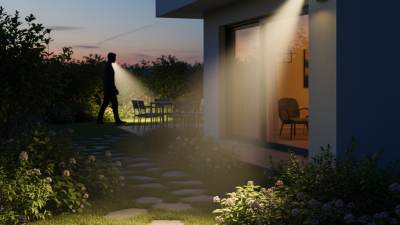
Motion activation prevents the lamp from draining its battery all night. A brief beam can illuminate steps, a gate, or a driveway when someone approaches. Higher efficacy also allows stronger light from a compact panel and battery. In practical use, this may mean quicker charging during weak winter sunlight. The result is not magic. Position still matters.

Mount the panel away from deep shade, and keep its surface clean. A dusty panel can reduce charging noticeably. The stated efficacy may also reflect laboratory conditions, rather than a cold, wet garden. I have found that glare can become an issue near eye level, even with efficient LEDs. A lower mounting angle often feels more comfortable. The calculation is not perfect. Check actual runtime, detection range, and light distribution before choosing a fixture.

Why Choose Motion Sensor Spotlight Solar Lights? - Why LED Efficacy of 80–150 Lumens per Watt Improves Outdoor Lighting

Evaluation Dimension Typical Value or Range How It Improves Outdoor Lighting
LED luminous efficacy 80–150 lumens per watt Produces more visible light from each watt of electrical power, helping solar fixtures deliver useful brightness with a smaller energy budget.
Power needed for 1,000 lumens About 6.7–12.5 watts Calculated as lumens divided by lumens per watt; lower wattage can reduce battery drain while maintaining comparable light output.
Motion-sensor activation Light operates at full output only when movement is detected Avoids continuous full-power operation and directs brighter illumination to moments when people, vehicles, or animals approach.
Standby lighting mode Optional low-level output, depending on the fixture design Provides basic visibility while reserving stored solar energy for brighter motion-triggered lighting.
Solar energy supply Photovoltaic panel charges a rechargeable battery during daylight Eliminates routine grid electricity use and allows installation where wiring is difficult or unavailable.
Operating cost No normal electricity charge during operation Uses harvested sunlight rather than purchased electricity; maintenance and battery replacement costs still apply.
Directional illumination Adjustable spotlight beam, depending on the optical design Concentrates light on entrances, paths, driveways, walls, or landscape features instead of wasting light outside the target area.
Color temperature Common outdoor choices: 3,000–6,500 kelvins Warmer light can create a softer appearance, while cooler light can provide a crisper visual impression for security areas.
LED service life Often rated at approximately 25,000–50,000 hours, depending on design and conditions Reduces the frequency of LED replacement compared with many traditional outdoor light sources.
Weather protection Select a housing with a suitable outdoor IP rating A properly rated enclosure helps protect electrical components from dust and water; the exact protection level varies by product.
Best installation conditions Open location with several hours of direct sunlight Direct sunlight improves daily battery charging; shade, dirt, short winter days, and cloudy weather can reduce nighttime runtime.

Note: Actual brightness, runtime, detection distance, charging performance, and service life vary with fixture design, battery capacity, solar exposure, temperature, and operating settings.

How Solar Panels Convert 15–23% of Sunlight into Stored Nighttime Power

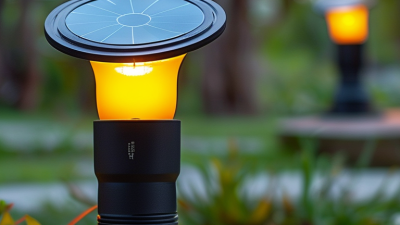
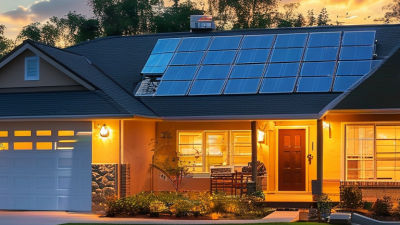
Motion sensor spotlight solar lights rely on a simple energy chain: sunlight, conversion, storage, and nighttime lighting. Most compact panels convert about 15–23% of incoming sunlight into electricity. The remaining energy becomes heat or reflects away. That percentage sounds high, but it changes with panel quality, temperature, shading, and sun angle.

During the day, the panel sends power through a charge controller into a rechargeable battery. After sunset, stored electricity runs the spotlight when movement activates the sensor. A larger panel does not always mean longer lighting. Battery capacity, charging efficiency, and LED brightness matter too. A cloudy afternoon may provide only a partial charge. That is easy to overlook.

Tips: Install the panel where it receives several hours of direct sunlight, not behind glass or under thick branches. Wipe dust from its surface every few months. Test the sensor after installation, because a wide detection range can trigger unnecessary lighting. Check winter performance separately. Shorter days may reduce stored power, and cold temperatures can also weaken battery output. The 15–23% figure is a useful reference, not a guarantee. Real conditions are messier. A practical choice balances brightness, sensor sensitivity, battery size, and local weather.

Why IP65 Protection Helps Spotlight Fixtures Resist Dust and Water

Why Choose Motion Sensor Spotlight Solar Lights?

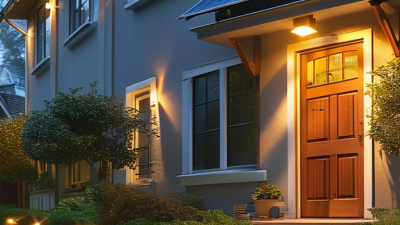
Solar motion sensor spotlights suit driveways, garden paths, and entryways without trenching power cables. IEA PVPS Trends 2024 recorded 456 GW of new photovoltaic capacity worldwide in 2023. Solar lighting is no longer a niche experiment. A motion sensor also limits operation to detected movement, helping conserve stored energy during long nights.

IP65 protection is especially valuable outdoors. Under IEC 60529, the first 6 means the enclosure is dust-tight. Fine particles cannot easily reach the circuit, sensor, or LED compartment. The second 5 indicates protection against water jets from any direction. This helps during heavy rain and sprinkler splash. It does not permit immersion. It is not a swimming-pool rating.

A practical installation still needs care. Aim the fixture away from constant traffic, or the lamp may trigger repeatedly. Check the rubber seal after cleaning. Replace cracked covers promptly. IRENA’s Renewable Capacity Statistics 2024 reported 1,419 GW of global solar capacity at the end of 2023, yet small outdoor fixtures face harsher conditions than rooftop panels. Dust, heat, insects, and condensation can still shorten service life. IP65 is strong protection, not a promise of permanent performance. That distinction matters.

Why Choose Motion Sensor Spotlight Solar Lights?

IP65 protection helps outdoor spotlight fixtures resist dust and water jets, supporting more reliable use in exposed locations.

The first IP digit indicates protection against solid particles, while the second digit indicates protection against water. Under IEC 60529 classifications, IP65 means the enclosure is dust-tight and protected against water jets from any direction. IP65 does not indicate protection against temporary immersion, so the fixture should not be submerged.

How Battery Capacity and 8–12 Hour Runtime Shape Lighting Reliability

Why Choose Motion Sensor Spotlight Solar Lights?

Battery capacity strongly influences how dependable a solar spotlight feels after sunset. A larger battery stores more energy during sunny hours. That reserve supports brighter output and longer activation periods. Many suitable models provide roughly 8–12 hours of lighting after a full charge. This range works well for entrances, pathways, gardens, and small security areas. Motion sensors also reduce waste by activating light only when movement appears. In practical use, cloudy weather can shorten runtime significantly. No estimate is perfect.

Runtime depends on more than battery size. Panel position, winter daylight, temperature, sensor sensitivity, and lighting brightness all matter. A spotlight may advertise twelve hours, but continuous illumination can reduce that figure. If the lamp activates frequently, its stored energy disappears sooner. I recommend checking the stated capacity, charging time, and test conditions before purchase. A dependable design should also include overcharge protection and weather-resistant construction. These details reflect better engineering, not just stronger marketing.

Tips: Aim the panel toward unobstructed sunlight. Clean dust from its surface monthly. Set medium brightness for longer operation. Test the light after several cloudy days. If the beam feels weak, reposition the panel before replacing the unit. Small adjustments often help, although results may vary.