Leave Your Message
Choosing a Motion Sensor Spotlight Solar in 2026 requires more than comparing brightness or battery size. Outdoor lighting now sits between renewable energy, security, and everyday convenience. The International Energy Agency’s Renewables 2024 report expects solar power to drive most new renewable capacity through 2030. That growth matters, but it does not guarantee that every solar spotlight performs well beside a dark driveway.
IEA Executive Director Fatih Birol described this transition clearly: “The age of clean energy is upon us.” His statement concerns the wider energy system, yet it also frames smarter household lighting. A well-designed Motion Sensor Spotlight Solar should collect enough sunlight, store energy safely, and activate only when movement requires illumination. Look for measured detection distance, usable battery capacity, weather resistance, and tested light output. Lumens alone can mislead.
Real conditions are less tidy. A panel shaded by a balcony may charge poorly. A cold winter night can reduce battery performance. A sensitive sensor might trigger for passing cats. Small details matter.
The U.S. Department of Energy emphasizes efficiency, controls, and appropriate lighting design in outdoor applications. This supports choosing responsive fixtures rather than leaving bright lamps active all night. Still, product labels often use inconsistent testing methods. That is frustrating.
This guide examines panel size, sensor accuracy, battery chemistry, installation height, and long-term reliability. It also considers evidence from industry reports, manufacturer specifications, and practical installation experience. No product is perfect. The right choice depends on your climate, security needs, available sunlight, and willingness to maintain the system.
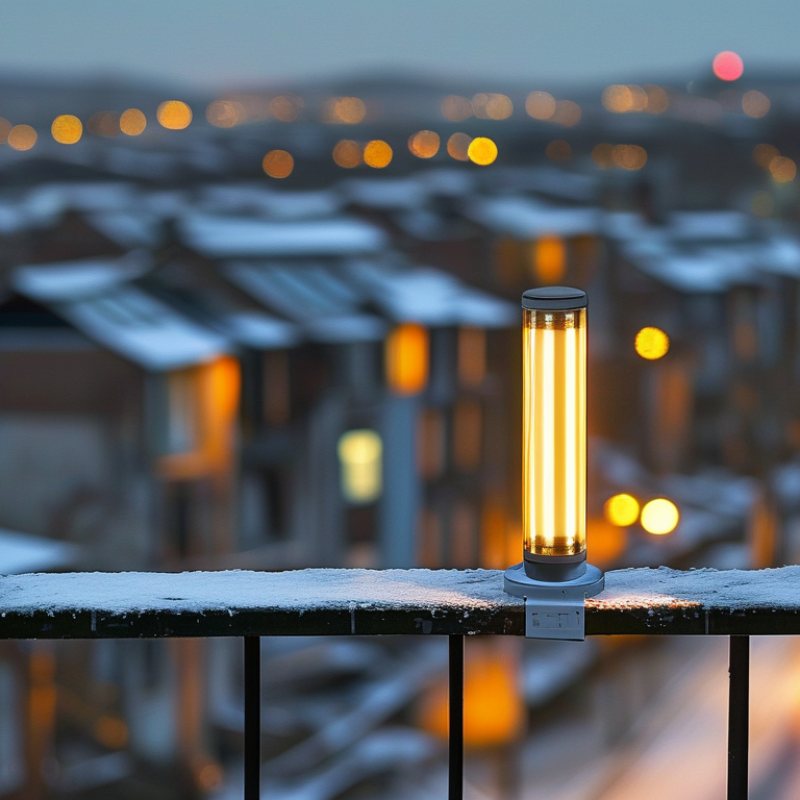
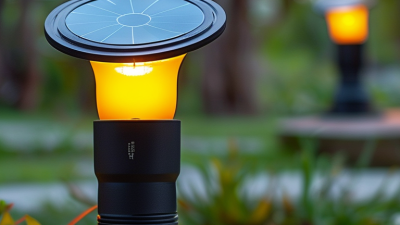
Solar motion sensor spotlights combine photovoltaic panels, rechargeable batteries, LED lamps, and infrared sensors. The panel converts daylight into electrical energy. The battery stores that energy for nighttime use. When body heat crosses the sensor’s detection zone, the light switches on.
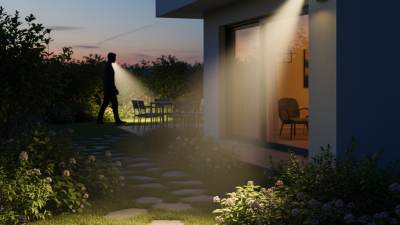
In practical use, placement matters more than advertised brightness. Mount the panel where nearby walls or trees create little shade. Face the sensor toward a walkway, not directly toward a busy road. A 120-degree detection angle often suits entrances and small gardens. Check the detection range at night, because cold weather can reduce battery performance. An IP65 or higher rating helps protect outdoor components from rain and dust.
When choosing a 2026 model, compare usable runtime, charging time, sensor sensitivity, and light coverage. Lumens alone can mislead. A very bright beam may leave the surrounding path dark. Adjustable heads help direct light toward steps, gates, or bins. Select a replaceable battery when possible. It can reduce waste and extend service life. I once installed a spotlight beneath a roof edge, assuming it would receive enough sunlight. It worked poorly during winter. That mistake showed me that panel exposure deserves more attention than appearance. Motion sensors can also trigger from pets or moving branches, so test the settings before permanent installation.
| Selection Dimension | What to Check | Practical Range or Standard | Why It Matters | Recommended Choice by Use |
|---|---|---|---|---|
| Operating Principle | A photovoltaic panel charges a rechargeable battery during daylight. A light sensor turns the unit on after dark, while a passive infrared motion sensor activates brighter illumination when movement is detected. | Automatic dusk-to-dawn operation with motion-triggered high output. | Understanding the operating cycle helps set realistic expectations: solar spotlights depend on available sunlight, battery capacity, and nighttime lighting settings. | Choose a model with separate low-light and motion-activated modes for longer overnight operation. |
| Light Output | Check delivered lumens rather than LED wattage alone. Also review whether the stated output refers to standby illumination or peak motion-activated output. | About 200–500 lumens for paths and small entrances; 500–1,000 lumens for driveways and larger outdoor areas. | Higher lumen output can improve visibility, but it generally increases energy demand and may reduce operating time when used frequently. | Use approximately 300–600 lumens for most residential paths, gates, and entry points. |
| Color Temperature | Look for the light appearance, measured in kelvins (K). | Warm white: approximately 2,700–3,000 K; neutral white: approximately 3,500–4,100 K; cool white: approximately 5,000–6,500 K. | Warm light is less harsh in residential settings, while neutral or cool light can make details and movement easier to distinguish. | Select 3,000–4,000 K for a balanced combination of comfort and visibility. |
| Solar Panel | Review panel type, physical size, mounting angle, and whether the panel can be positioned independently from the spotlight. | Monocrystalline panels generally provide efficient use of limited surface area; separate-panel designs offer more installation flexibility. | The panel must receive adequate direct sunlight. Shade, dirt, snow, and poor orientation can significantly reduce charging performance. | Choose an adjustable or remote panel when the light must be installed under an eave, near a wall, or in a shaded location. |
| Battery Capacity | Check battery chemistry, rated capacity in watt-hours or milliamp-hours, replacement availability, and the stated charging and lighting conditions. | Many compact products use rechargeable lithium-based batteries; practical capacity varies widely by design and operating mode. | A larger battery can support longer nights and more motion events, but it may require a larger panel and longer charging time. | Prioritize a replaceable battery and a clear runtime specification tested under realistic nighttime conditions. |
| Expected Runtime | Compare standby runtime, continuous full-power runtime, and the number of motion activations supported per night. | Typical claims range from one night to several nights, depending on sunlight, brightness, weather, battery age, and activation frequency. | Runtime claims are not directly comparable unless the brightness level, solar exposure, and motion-activation assumptions are the same. | Treat “all-night” claims cautiously and favor products that publish test conditions and multiple lighting modes. |
| Motion Detection Range | Check detection distance, detection angle, trigger sensitivity, and whether the sensor can be adjusted vertically or horizontally. | Approximately 5–12 m detection distance and about 90–180 degrees of coverage are common for outdoor residential products. | Placement, temperature, obstacles, walking direction, and sensor height can affect detection performance. | Choose adjustable sensitivity and aim the sensor across the expected walking path rather than directly toward approaching movement. |
| Lighting Duration | Look for an adjustable timer or selectable activation period after motion is detected. | Approximately 20 seconds to 2 minutes is suitable for many entrances, pathways, and driveways. | Longer activation periods improve continuous visibility but consume more battery energy and may cause unnecessary illumination. | Start with 30–60 seconds and increase the duration only when the area requires extended visibility. |
| Weather Resistance | Check the IP rating and the quality of seals around the housing, sensor, charging port, and cable connections. | IP65 protects against dust and water jets; IP66 offers stronger protection against water jets. Neither rating means the unit can be submerged. | Outdoor lighting is exposed to rain, dust, humidity, and temperature changes. A suitable enclosure helps improve reliability. | Choose at least IP65 for exposed outdoor installation and protect charging ports with their supplied covers. |
| Installation Position | Assess sunlight, mounting height, surface strength, cable routing, sensor visibility, and access for cleaning or battery replacement. | Mounting height and coverage depend on the product design; installation should avoid direct glare into windows or neighboring properties. | Even a high-specification spotlight may perform poorly if the panel is shaded or the sensor is blocked by walls, vegetation, or vehicles. | Install the panel where it receives several hours of unobstructed direct sunlight and keep the sensor clear of obstacles. |
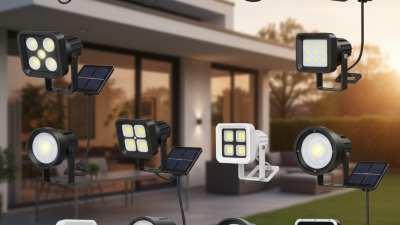
| Panel-to-Light Design | Compare integrated-panel and separate-panel constructions. | Integrated designs are simpler to install; separate-panel designs allow the light and panel to be placed in different locations. | Separate panels are useful when the target area is shaded but a nearby roof, fence, or wall receives stronger sunlight. | Select an integrated unit for simple, sunny installations and a separate-panel unit for shaded or complex layouts. |
| Control and Settings | Check for physical switches, remote control, app control, brightness adjustment, sensitivity adjustment, and operating modes. | Basic products commonly provide manual mode selection; advanced models may provide remote or connected controls. | Adjustable settings make it easier to balance security, comfort, battery life, and light pollution. | For most homes, manual brightness, sensitivity, and timer controls provide useful functionality without unnecessary complexity. |
| Glare and Light Pollution | Review beam angle, shielding, mounting direction, and whether the fixture can be tilted downward. | Narrower beams concentrate light; wider beams cover larger areas but may create more spill light. | Uncontrolled glare can reduce visibility, disturb occupants, and direct light toward roads or neighboring properties. | Use a shielded, downward-tilted fixture and avoid aiming the beam directly at eye level or bedroom windows. |
| Cold-Weather Performance | Check the specified operating temperature and understand that low temperatures reduce battery performance temporarily. | Battery performance can decline in cold conditions, while snow or ice can block solar charging. | Winter performance depends on both temperature and shorter daylight hours, not just the nominal battery capacity. | Install the panel at an angle that helps shed snow and keep it clean during extended cloudy or snowy periods. |
| Maintenance | Plan for cleaning the panel, checking seals, removing vegetation, and inspecting mounting hardware. | Inspect periodically and clean the panel whenever dust, pollen, leaves, or bird residue noticeably reduces sunlight. | Solar charging efficiency gradually falls when the panel surface is dirty or shaded. | Use a soft, damp cloth and avoid abrasive cleaners that may scratch the panel surface. |
| Safety and Privacy | Consider electrical safety, secure mounting, glare control, camera-free operation, and local outdoor-lighting requirements. | Motion sensors should activate only within the intended area and should not unnecessarily illuminate public spaces or neighboring homes. | Correct positioning reduces false triggers, improves security awareness, and helps avoid disputes caused by intrusive lighting. | Aim detection zones toward private paths, entrances, or driveways and avoid pointing sensors toward busy streets. |
| Best Overall Specification | Balance light output, sensor performance, charging conditions, weather protection, adjustability, and maintenance requirements. | For general residential use: 300–600 lumens, 3,000–4,000 K, approximately 5–12 m detection range, adjustable timer, and IP65 or higher. | No single specification determines performance. A well-positioned moderate-output spotlight can outperform a brighter product installed in shade. | Choose the product that matches the installation environment first, then compare brightness, runtime, battery design, and controls. |