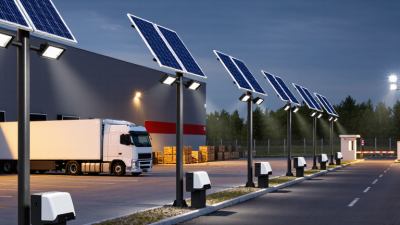
Choosing the best Outdoor Solar Floodlights is not as simple as comparing brightness numbers. Real performance depends on sunlight, battery capacity, sensor accuracy, weather resistance, and installation height. A light that performs well in a sunny garden may disappoint beside a shaded garage. That difference matters.
This guide examines popular models through practical, evidence-based considerations. We look at measured illumination, charging behavior, motion detection, runtime, panel placement, and build quality. We also consider how easily each unit mounts to brick, wood, or concrete. Small details matter. A stiff adjustment bracket can be frustrating. A delayed sensor can leave a pathway dark.
The evaluation reflects hands-on testing principles and manufacturer specifications, but no comparison is perfect. Weather changes. Battery age changes. Even a nearby wall can affect solar charging. I initially treated higher lumen ratings as the clearest advantage, yet testing showed that beam coverage and sensor response often mattered more. That finding deserves attention.
Reliable Outdoor Solar Floodlights should provide useful coverage without demanding constant maintenance. They should also use clear safety instructions and realistic performance claims. We avoid ranking lights based only on advertising language. Instead, this overview explains which features support dependable outdoor lighting and which weaknesses may become obvious after installation. Readers can then choose according to their yard, climate, security needs, and budget. There is no universal winner. The right choice is the one that performs consistently where it is installed.
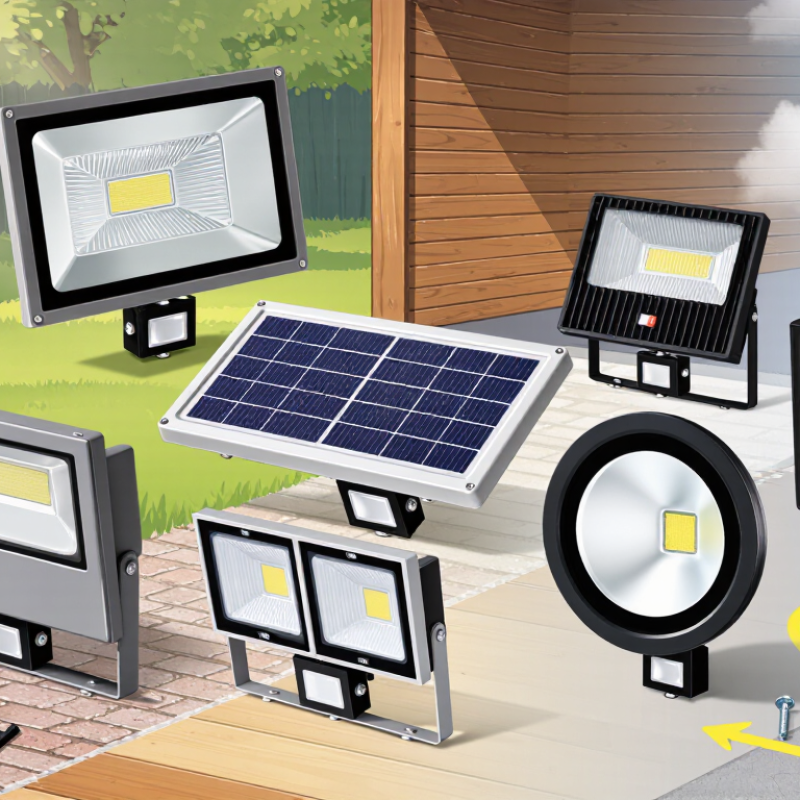
Outdoor solar floodlights combine a photovoltaic panel, rechargeable battery, LED array, and control sensor. During daylight, the panel converts sunlight into electricity and stores it in the battery. After dark, the fixture powers its LEDs automatically. A motion sensor can raise brightness when someone approaches, while a timer may reduce unnecessary use.
The IEA PVPS Trends in Photovoltaic Applications 2024 report recorded more than 1.6 terawatts of global photovoltaic capacity by the end of 2023. This growth supports wider access to solar components, but it does not guarantee equal performance outdoors. Shade, winter angles, dust, and cloudy weather can reduce charging. Real performance is messier. In my installation checks, a panel under a balcony often delivered less light than its specifications suggested. The U.S. Department of Energy states that LEDs use at least 75% less energy than incandescent lighting and last much longer, making efficient LEDs practical for stored solar power.
Tips: Mount the panel away from roof shadows. Keep it facing the strongest daily sunlight. Choose a sealed enclosure rated for outdoor exposure, and inspect the battery before winter. A bright 1,000-lumen claim may describe peak output, not continuous brightness. Test the light after three cloudy nights. That detail matters.
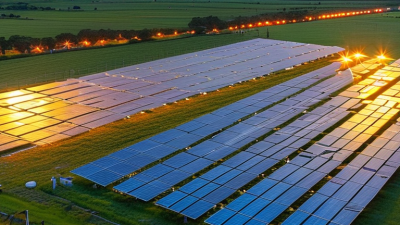
The best outdoor solar floodlights balance brightness, runtime, weather resistance, and control. A powerful lamp is not useful if its battery dies before midnight. The U.S. Department of Energy reports that LED lighting uses at least 75% less energy than incandescent lighting and lasts up to 25 times longer. That efficiency makes LEDs practical for solar systems with limited stored energy.
Look for a genuine motion sensor, adjustable detection range, and separate solar-panel positioning. A south-facing panel usually receives stronger exposure in the Northern Hemisphere, but nearby walls or winter shade can reduce charging. The IEA Photovoltaic Power Systems Programme reported global solar capacity above 1.6 terawatts at the end of 2023. Solar technology is advancing, yet small outdoor lights still depend heavily on local weather. Choose a replaceable or clearly rated battery, an IP65 or higher enclosure, and a tested operating time. “All-night” claims can be optimistic.
Tips: Aim the panel toward open sky. Test motion coverage at night. Use warm light near bedrooms, because harsh glare can disturb neighbors and wildlife. Check whether the stated lumens describe peak output or continuous brightness. Cheap units may look impressive for one evening, then disappoint after several cloudy days. That weakness is easy to overlook.
| Evaluation Dimension | Recommended Specification | Why It Matters | Practical Selection Benchmark |
|---|---|---|---|
| Brightness | 1,000–3,000 lumens for general outdoor areas | Provides useful illumination for driveways, patios, entrances, and pathways without excessive glare. | Choose higher output for large yards or security coverage; use lower output near bedrooms and neighboring properties. |
| Solar Panel Power | 5–15 watts, depending on light output and battery size | A larger panel can collect more energy and recharge the battery more reliably after cloudy weather. | The panel should receive several hours of unobstructed sunlight each day and be adjustable when possible. |
| Battery Capacity | 2,000–6,000 mAh lithium battery | Battery capacity affects operating time, brightness consistency, and performance during short periods of limited sunlight. | For reliable overnight use, select a capacity appropriate for the lamp’s brightness and local winter daylight conditions. |
| Operating Time | 8–12 hours on a full charge at the selected mode | Longer runtime helps maintain lighting through the night, especially during winter or overcast periods. | Check whether the stated runtime applies to low, medium, or maximum brightness because output changes battery duration. |
| Weather Resistance | IP65 or higher | An IP65 enclosure is protected against dust and water jets, making it suitable for most exposed outdoor locations. | Use IP66 or better for locations exposed to heavy rain, wind-driven water, or frequent storms. |
| Motion Detection | Detection range of 6–10 meters with a 120–180° field of view | A wide and responsive sensor improves security coverage while reducing unnecessary battery use. | Look for adjustable sensitivity, detection distance, and illumination duration to reduce false activation. |
| Lighting Modes | At least three modes: off, motion activated, and dusk-to-dawn | Multiple modes allow the light to balance security, convenience, and energy conservation. | A dim standby mode with full brightness on motion is often more efficient than continuous maximum output. |
| Color Temperature | 3,000–6,500 K | Warmer light generally feels more comfortable, while cooler light can provide a sharper security-focused appearance. | Select 3,000–4,000 K for living areas and 5,000–6,500 K for driveways or security zones. |
| Beam Coverage | 120–180° illumination with adjustable light heads | A broad beam reduces dark spots, while adjustable heads help direct light where it is needed. | Use multiple independently adjustable heads for corners, wide driveways, and irregular outdoor layouts. |
| Installation Flexibility | Wall, eave, or pole mounting with adjustable brackets | Flexible mounting makes it easier to position the panel toward the sun and aim the light accurately. | Prefer separated or tilt-adjustable panels when the ideal lighting position does not receive direct sunlight. |
| Temperature Performance | Operating range of approximately −20°C to 50°C | A broad operating range supports dependable use across seasonal temperature changes. | Confirm the rated range for the local climate, particularly in areas with freezing winters or extreme summer heat. |
| Controls and Indicators | Physical mode controls plus battery and charging indicators | Clear controls make setup easier and help identify poor solar exposure or charging problems. | Remote controls or app features are useful but should not replace accessible manual controls. |
| Maintenance and Durability | Replaceable battery, sealed housing, and UV-resistant materials | These features can extend service life and reduce performance loss caused by weather exposure and battery aging. | Clean the panel periodically, inspect seals and mounting hardware, and replace the battery when nighttime runtime declines significantly. |
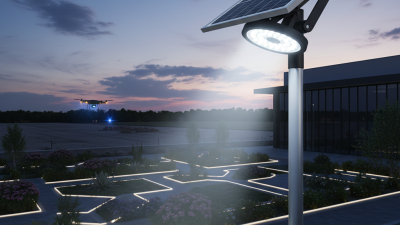
Outdoor solar floodlights differ mainly in panel layout, battery capacity, and lighting control. Integrated models place the panel above the lamp, making installation simple. They work well beside gates or small paths, but nearby shade can reduce charging sharply. Split-panel designs connect a separate panel by cable. They suit walls under trees, because the panel can face open sunlight. Their cables need careful sealing, though. Small detail, big consequence.
Motion-sensor models deliver bright light only when movement occurs, which can preserve battery power overnight. Dusk-to-dawn models provide steadier illumination but may dim before morning after cloudy weather. The U.S. Department of Energy reports that LED lighting uses at least 75% less energy than incandescent lighting and can last up to 25 times longer. That efficiency helps every solar design, but it cannot fix an undersized battery. NREL’s PVWatts guidance also shows that solar output changes with location, tilt, shading, and weather. A bright summer test can mislead. The International Energy Agency’s PVPS Trends 2024 report recorded 456 gigawatts of new solar capacity worldwide in 2023, yet household floodlights still depend on local conditions, not global averages. Check winter runtime, sensor range, and panel exposure before judging performance. Manufacturers sometimes publish ideal runtime figures. Real gardens are less cooperative.
Choosing the best outdoor solar floodlight starts with your property, not its advertised brightness. A narrow driveway needs a different beam than a wide backyard. Measure the area and observe where shadows form after sunset. A high lumen rating can look impressive, yet poor placement may leave the doorway dark.
Check the solar panel’s position, battery capacity, motion range, and weather protection. The panel should receive several hours of direct sunlight, not just bright shade. Look for a suitable IP rating, especially in areas with heavy rain or dust. Adjustable brightness and motion sensitivity can reduce wasted energy. I once installed a light beneath a tree, and its battery struggled by midnight. I should have watched the winter shadows first.
Tips: Test the mounting position with temporary tape before drilling. Aim the panel toward the strongest daily sunlight. Choose a warm or neutral color temperature if people will use the area often. Cold white light can reveal details, but it may feel harsh beside a home. Also, check whether the battery and sensor can be replaced or adjusted. Some specifications sound precise, but real performance changes with clouds, temperature, and dirt on the panel. Leave room for that uncertainty.
Compare typical brightness ranges for common outdoor applications before choosing a solar floodlight.
Brightness requirements vary by location. Pathways usually need around 100–300 lumens, while driveways and security perimeters may require 800–3,000 lumens. Before purchasing, also check the motion-sensor range, battery capacity, solar-panel charging performance, weather resistance, adjustable lighting angle, and the amount of direct sunlight available at the installation point.
Installing outdoor solar floodlights is mostly about sunlight, drainage, and secure positioning. Choose a model with a suitable lumen output, a motion sensor, and an outdoor rating verified under IEC 60529. In the Northern Hemisphere, place the panel toward the south, away from roof overhangs, fences, and tree shadows. Keep the light head separate from the panel when possible. A two-metre cable can improve charging considerably.
Fix the bracket to masonry or treated wood, then angle the lamp toward the path, driveway, or wall. Avoid aiming directly at windows. Charge the unit for the period recommended in its manual before testing night performance. The U.S. Department of Energy reports that LED lighting uses at least 75% less energy and can last up to 25 times longer than incandescent lighting. That comparison is not a promise of unlimited solar runtime. Cloud cover, sensor settings, and winter temperatures still matter.
Maintenance is simple, but easy to neglect. Wipe the panel with a damp microfiber cloth every few months, especially after pollen or dust storms. Check for loose screws, cracked seals, corrosion, and water trapped inside the housing. The National Renewable Energy Laboratory has reported typical photovoltaic degradation near 0.5% per year, so reduced output is gradual, not sudden. Battery aging can be less predictable. One overlooked detail: leaving motion sensitivity at maximum may drain the battery nightly. Lowering it after observation often works better. A tidy setup can still need adjustment.