How to Choose the Best Solar Flood Light 200w for Your Needs?
When considering outdoor lighting, the Solar Flood Light 200w stands out as a powerful option. Its energy-efficient design offers bright illumination without high electricity costs. Selecting the right model can be challenging, especially with various brands and features available.
A quality Solar Flood Light 200w should have reliable performance and meet specific needs. It’s crucial to evaluate brightness, battery life, and durability. These factors significantly influence overall satisfaction and functionality. Understanding how each feature fits into your space will help in making the right decision.
Think about the environment where the light will be installed. Factors like weather conditions and location can affect performance. Investing time in research can prevent disappointment. By understanding your requirements better, you can choose the perfect Solar Flood Light 200w for your needs.
Understanding the Basics of Solar Flood Lights and Their Benefits
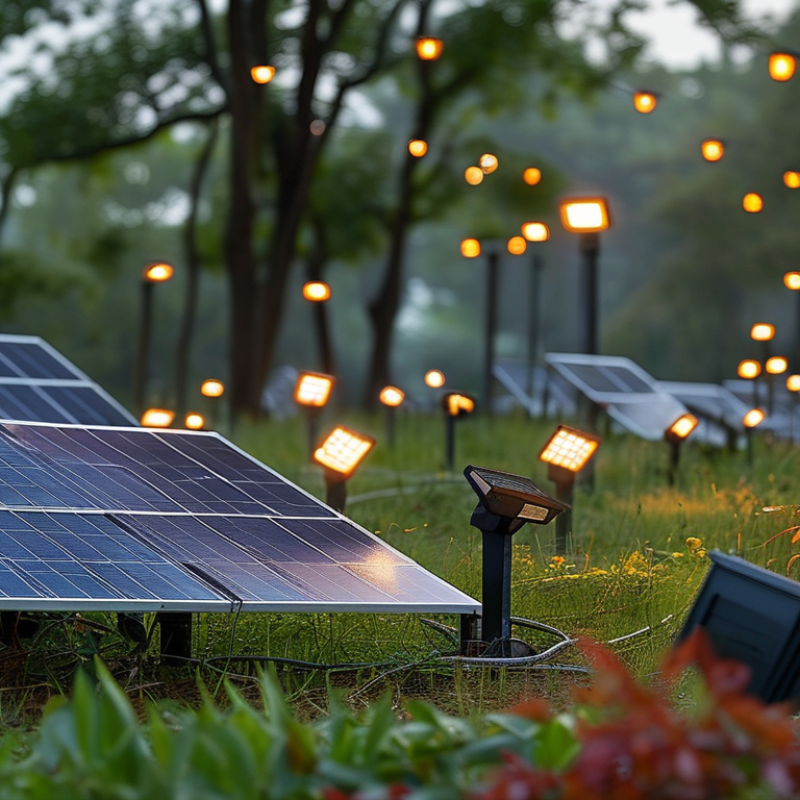
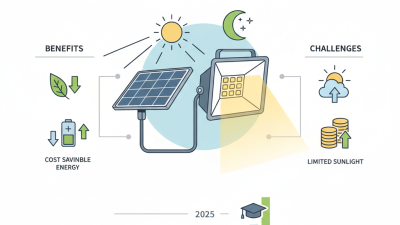
Solar flood lights are gaining traction due to their efficiency and eco-friendliness. These lights use solar panels to harness sunlight. During the day, they store energy. At night, they illuminate outdoor spaces. This process reduces electricity costs. According to a 2022 report by the International Energy Agency, solar lighting can save homeowners up to 50% on lighting expenses.
Understanding their benefits is essential. Solar flood lights are versatile. They are perfect for gardens, driveways, and security purposes. The installation is generally straightforward. No wiring is required. This feature makes them an appealing option for many. Furthermore, they are often equipped with motion sensors. This advancement boosts security while conserving energy.
Tip: Assess the brightness level before making a purchase. A higher wattage usually means better illumination. However, be mindful of your specific needs. Not all spaces require intense lighting. The duration of charge is another vital point. A quality light should last 10-12 hours on a full charge. Look for lights with adjustable settings for flexibility.
Another consideration is durability. Check the materials used in the construction. Robust designs can withstand harsh weather conditions. A solid warranty could indicate reliability. Keep in mind that not every product on the market meets high standards. Always research before making a purchase.
Key Factors to Consider When Choosing a 200w Solar Flood Light
When selecting the best 200w solar flood light, a few key factors are essential. One important consideration is brightness. A 200w model typically produces around 20,000 lumens, providing ample light for various outdoor needs. Brightness can affect visibility and safety. If the area is larger, extra lumens may be necessary.
Another factor is battery capacity. Most solar flood lights use lithium-ion batteries. These batteries should have a capacity of at least 10,000 mAh for long-lasting performance. Reports indicate that capacity directly influences how long the light can run at full brightness, especially on cloudy days. However, over-reliance on batteries may lead to unexpected dimming.
Additionally, durability matters. Look for lights with a robust casing, ideally made of aluminum or high-quality plastic. These materials are resistant to weather and impacts. Rain and dust can reduce the lamp's effectiveness. An IP65 rating or higher indicates solid protection against water and dust. Consider these factors carefully to ensure the chosen light meets your outdoor lighting needs effectively.
Choosing the Best 200w Solar Flood Light: Key Factors Comparison
Comparing Different Brands and Models of 200w Solar Flood Lights
When selecting the best 200w solar flood light, it’s crucial to analyze different brands and models. The global market is projected to reach $20 billion by 2027, driven by renewable energy trends. With many options available, understanding performance metrics is key. Solar efficiency, battery capacity, and lumen output should be primary considerations. A reliable solar flood light often provides over 2000 lumens, suitable for large outdoor areas.
Different brands flaunt varying solar panel technologies. Some use monocrystalline panels, offering higher efficiency rates. Research indicates that these panels can convert up to 22% of sunlight into energy. In contrast, polycrystalline models might only reach around 15%. While the cost of monocrystalline systems can be higher, the long-term energy savings justify the investment.
Yet, consumers should assess charging times and battery life variances. Some models recharge fully in six hours, while others might take longer. The light duration also varies, with some lasting only a few hours post-charge. These discrepancies can influence your choice. Therefore, it’s essential to weigh these factors against your specific lighting requirements.
Installation and Maintenance Tips for Solar Flood Lights
Installing solar flood lights can greatly enhance outdoor security and illumination. Before starting, choose a location that receives ample sunlight. Ideally, the light should have 6-8 hours of direct sun exposure. This is crucial for optimal performance. Examine the area for obstacles like trees or buildings. These can cast shadows that hinder solar charging.
Once you pinpoint the perfect spot, mounting the lights is straightforward. Use durable screws and brackets, ensuring they’re securely fastened. It’s essential to follow the manufacturer's guidelines. Misalignment can lead to ineffective lighting. After installation, regularly check the lights for dirt or debris. Dust can block the solar panels, reducing their efficiency. A simple wipe down can restore their performance.
Maintenance doesn’t stop there. Periodically inspect the battery and wiring. Look for signs of wear or corrosion. Remember, occasional issues can arise, and it’s wise to have a troubleshooting plan. Staying proactive with maintenance ensures your solar flood lights remain functional for years. Balancing ease of use with regular upkeep is key for long-term satisfaction.
How to Choose the Best Solar Flood Light 200w for Your Needs? - Installation and Maintenance Tips for Solar Flood Lights
| Feature |
Description |
Importance |
Maintenance Tips |
| Brightness (Lumens) |
Indicates the output of light; typically ranges from 2000 to 4000 lumens for 200W |
Critical for ensuring adequate illumination of the area |
Clean the light regularly to maintain optimal brightness |
| Battery Capacity |
Usually measured in amp-hours (Ah); affects how long the light can run |
Essential for extended night-time usage |
Ensure batteries are charged fully before use and replace every few years |
| Solar Panel Efficiency |
How effectively the solar panel converts sunlight into electricity |
Higher efficiency means better performance in low-light conditions |
Keep panels clear of debris and dirt for maximum efficiency |
| Weather Resistance |
Rated IP65 or higher for water and dust resistance |
Important for durability and longevity of the fixture |
Check for any damage after severe weather and ensure proper sealing |
| Installation Location |
Placement should maximize sunlight exposure for charging |
Affects the efficiency and effectiveness of the solar light |
Choose spots free from shadows during the day |
Assessing the Warranty and Customer Support for Your Purchase
When considering a solar flood light, warranty and customer support are crucial aspects. A strong warranty ensures that your investment is protected for a suitable duration. Most quality products offer at least a one-year warranty. Check for details on what the warranty covers, including parts and labor. This can save you costs in case of defects or damage.
Customer support is something you shouldn’t overlook. Reliable support can make a significant difference if you encounter issues with your light. Look for companies that provide easy access to support, such as phone, email, or chat. Response time also matters; the quicker they respond, the better your experience will be.
Tip: Before purchasing, read customer reviews. They often highlight the level of support and service. Pay attention to recurring issues mentioned by users. This information can guide your decision. Also, consider testing the light within the warranty period. If it doesn’t meet your expectations, you can return it without hassle. Keep a list of questions ready for customer support before making a decision. This will help you assess their responsiveness.