Top 10 Solar Street Light Dusk To Dawn Models in China Explained
In the evolving landscape of urban lighting solutions, Solar Street Light Dusk To Dawn models have emerged as a pivotal choice. Their ability to provide efficient illumination after sunset makes them essential for enhancing safety and visibility in public spaces. These systems harness solar energy, reducing reliance on traditional electrical grids.
China has become a leading manufacturer of advanced solar street lights. The country’s investment in renewable energy technology is notable. As a result, various models are available to meet different community needs. However, not all products are created equal. Some may lack durability or efficient performance under various weather conditions.
Choosing the right Solar Street Light Dusk To Dawn model requires careful consideration. Factors such as battery life, brightness, and build quality can impact performance. Users often share mixed experiences, highlighting the importance of thorough research before making a purchase. Understanding these nuances can lead to more informed decisions, ensuring proper lighting where it is most needed.
Top Features of Dusk to Dawn Solar Street Lights in China
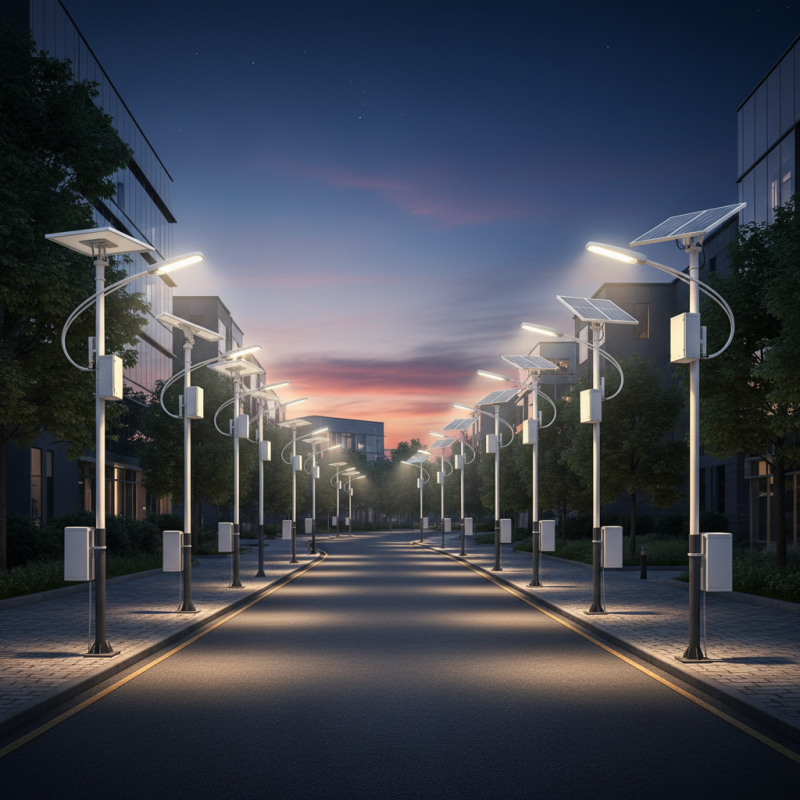
Dusk to dawn solar street lights have become increasingly popular in China. These lights rely on solar power, making them energy-efficient and environmentally friendly. They automatically turn on at dusk and off at dawn, reducing manual intervention. In some urban areas, they provide a sustainable alternative to conventional street lights, helping lower electricity costs.
Key features of these solar lights include high-efficiency solar panels. Reports indicate that modern solar cells can convert up to 22% of sunlight into energy. This efficiency allows for longer illumination times at night. Battery capacity is another critical factor; high-quality LED lights can run for over 12 hours on full charge. Many models now come equipped with motion sensors. These sensors help conserve energy by illuminating only when movement is detected.
Tips: When choosing solar street lights, consider the local climate. Regions with less sunlight may require larger battery capacities. Look for products that offer warranties or performance guarantees, as quality can vary. Finally, installation needs careful planning. Improper installation can lead to inefficient performance and maintenance issues.
Comparative Analysis of Solar Street Light Models and Lifespan
In recent years, solar street lights have gained popularity in urban planning. They offer a sustainable solution for nighttime illumination. A comparative analysis of various models reveals important insights into their lifespan and efficiency.
According to the International Energy Agency, solar street lights can last up to 10 years, depending on the model and installation conditions. Factors like battery quality and solar panel efficiency greatly impact lifespan. Higher-grade batteries may improve durability but often come at a premium. User reviews frequently highlight that cheaper models often underperform or fail earlier than expected. It’s vital to balance initial cost with long-term savings.
Tip: Invest in established models with solid warranties. Always check customer feedback on durability before purchasing. Upkeep can extend a unit’s life; regular cleaning of solar panels maximizes charging efficiency.
Many users cite that installation quality can greatly influence performance. Poorly installed lights may not receive adequate sunlight, leading to shorter lifespans. Research indicates that models positioned for maximum sunlight can increase efficiency by nearly 30%. However, a poorly chosen installation site can diminish returns.
Tip: Conduct a site assessment before installation. Understand the natural light patterns and obstructions. Thoughtful placement can enhance performance and longevity. Always weigh lifetime savings against initial costs for optimal investment.
Comparison of Solar Street Light Models Lifespan
Energy Efficiency Ratings: How Solar Street Lights Save Costs
Solar street lights have gained attention for their energy efficiency, particularly in China. According to the National Renewable Energy Laboratory (NREL), solar street lights can reduce energy consumption by up to 75%. This significant reduction translates into lower electricity costs for municipalities. The initial investment in solar technology may seem high, but the long-term savings on energy bills often offset this expense.
A report from the International Energy Agency (IEA) emphasizes that solar energy is becoming increasingly viable. The advancement of battery technology and solar panel efficiency has improved the performance of these lighting systems. For instance, high-quality solar panels can achieve over 20% efficiency. Moreover, the lights operate from dusk to dawn, ensuring safety and security in public spaces without burdening the grid.
Despite the benefits, there are challenges. High installation costs can limit adoption. Moreover, performance can vary based on geographic location and seasonal weather patterns. In areas with less sunlight, the reliability of solar street lights may diminish. These considerations show that while solar street lights offer a sustainable alternative, careful planning and analysis are required for effective implementation.
The Role of Battery Technology in Enhancing Solar Light Performance
Battery technology is fundamental in enhancing the performance of solar street lights. With advances in lithium-ion and lithium-iron phosphate batteries, these lights can now achieve longer run times. More efficient batteries mean solar street lights can operate throughout the night.
Modern solar lights often come with energy management systems. These systems optimize how batteries charge and discharge. During bright days, batteries can store more energy. On cloudy or rainy days, these lights still perform reliably. However, not all models effectively manage battery life. This inconsistency can lead to subpar illumination when needed most.
Another important aspect is the temperature sensitivity of batteries. Extreme heat or cold can severely impact their efficiency. Users should be aware of local climate conditions when selecting solar street lights. Some designs struggle in low temperatures, reducing overall performance. You must consider the battery's lifespan. Some may degrade faster than expected, affecting consistent operation. Awareness of these factors can guide better choices.
Market Trends: Adoption Rates and Future Projections for Solar Lighting
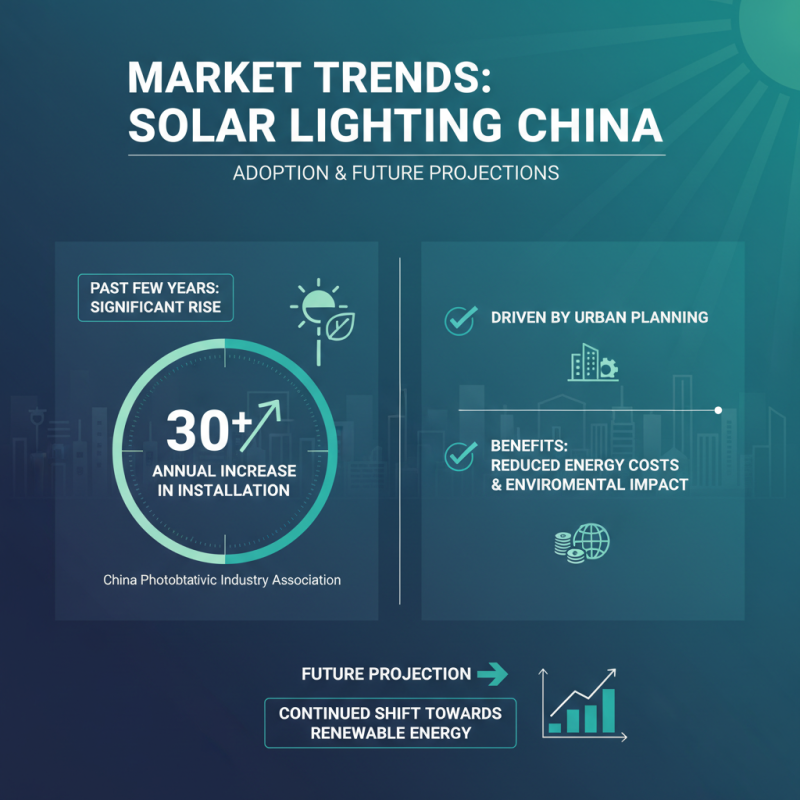
The adoption of solar street lighting has seen a significant rise in China over the past few years. According to the China Photovoltaic Industry Association, the installation rate of solar lighting systems has increased by over 30% annually. This growth reflects a broader shift towards renewable energy solutions in urban planning. Cities are recognizing the benefits of solar street lights, including reduced energy costs and environmental impact.
Future projections indicate that the market for solar lighting could reach $8 billion by 2025. A report by the International Renewable Energy Agency highlights this potential, emphasizing the role of government incentives. The growing focus on sustainable development is pushing local governments to invest in solar technologies. However, challenges remain. Issues related to battery efficiency and solar panel degradation need addressing. Research shows that many systems underperform in various climatic conditions.
Despite these challenges, the outlook appears positive. Increased public awareness about renewable energy can drive further adoption. The concept is gaining traction, yet some municipalities are hesitant. A lack of standardized regulations and quality assurance among products often raises concerns. Ensuring reliable performance and longevity remains crucial for wider acceptance.