China Top Solar Street Light Dusk To Dawn Innovations and Benefits?
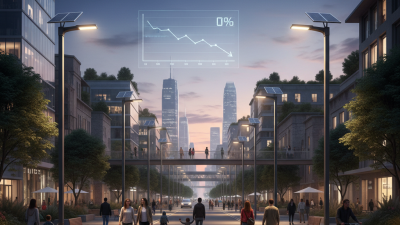
The integration of "Solar Street Light Dusk To Dawn" technology is revolutionizing urban lighting. Recent industry reports indicate a significant rise in solar street light adoption, with global market growth projected to reach $10 billion by 2026. This growth highlights the urgency for sustainable solutions in city infrastructure.
Solar street lights offer not only energy efficiency but also environmental benefits. Cities switching to solar lights have reported a 30% reduction in energy costs. Moreover, these systems provide reliable illumination throughout the night, enhancing public safety and decreasing crime rates. However, it’s essential to recognize the challenges faced in areas with inconsistent sunlight.
While advancements are impressive, one must not overlook the need for maintenance and technological improvements. Solar panels can lose efficiency over time, and battery lifespan varies. Striking a balance between innovation and reliability is crucial for long-term success. The journey towards optimal solar street lighting continues, demanding ongoing research and adaptation.
Origins of Solar Street Light Technology in China
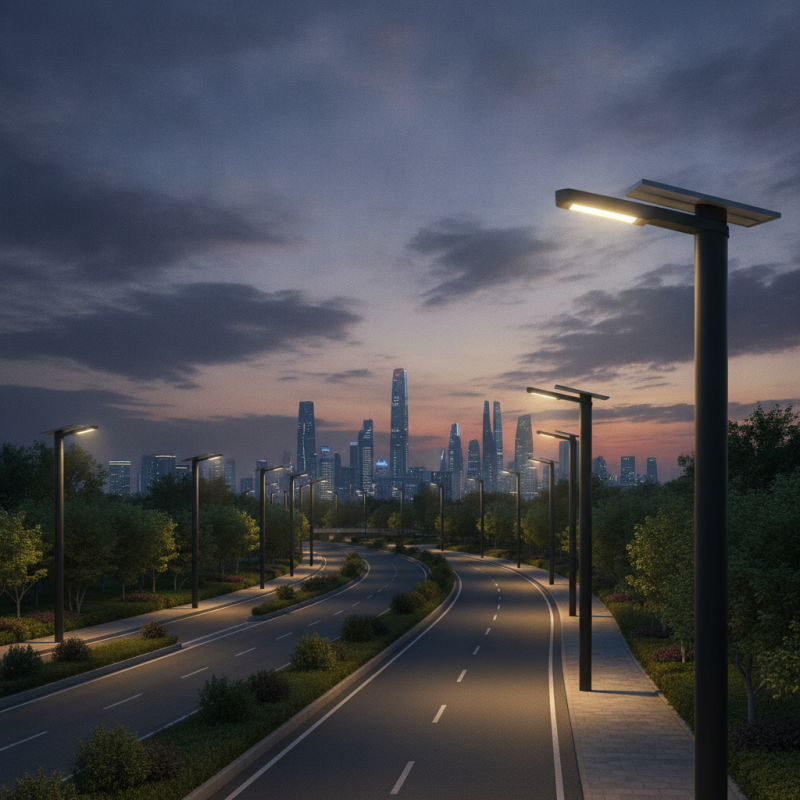
The origins of solar street light technology in China are quite fascinating. Initially, traditional street lights were energy-intensive and costly. As concerns about environmental degradation grew, there was a shift towards renewable energy solutions. China recognized the potential of solar power early on and began developing solar street lights. These lights use solar panels, batteries, and LED technology, allowing for efficient energy utilization.
Over the years, innovations have transformed these solar street lights. Early models were bulky and had limited functionality. Today, they're compact, efficient, and smart. Manufacturers have improved battery life and energy storage. However, challenges remain. Some areas still face issues like inconsistent sunlight and maintenance. It’s crucial to evaluate these technologies continuously to optimize performance.
The push for solar street lights is not without its drawbacks. For instance, the initial cost can deter adoption. Additionally, not all solar lights provide adequate illumination in remote locations. Ongoing research aims to address these gaps. Implementing better materials and designs can enhance reliability. The journey of solar street light technology reflects China’s commitment to sustainable urban development.
Key Innovations in Dusk to Dawn Solar Street Lights
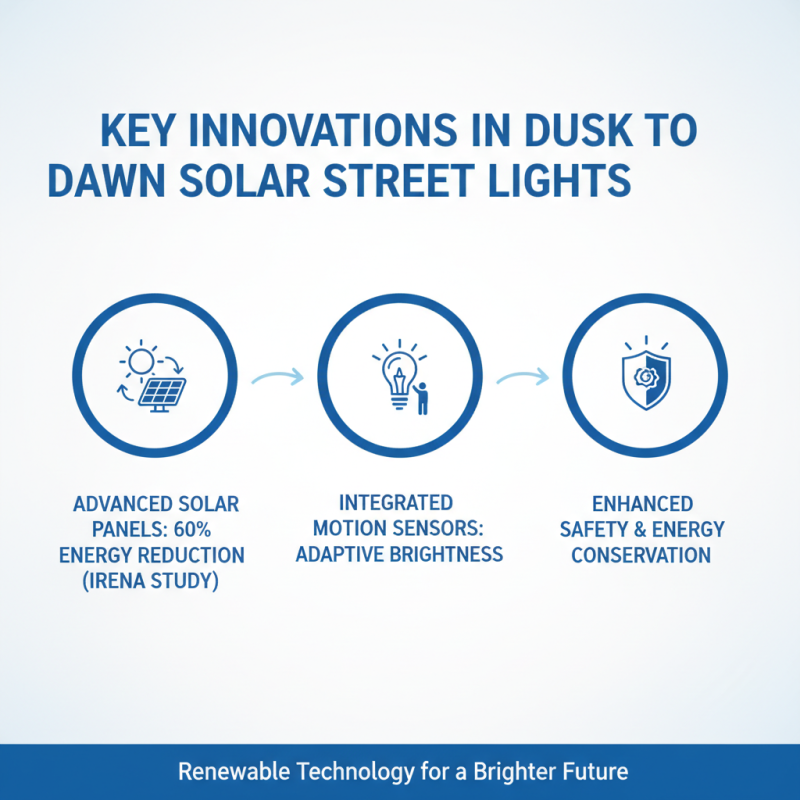
The advancements in Dusk to Dawn solar street lights reflect the significant strides in renewable technology. According to a study by the International Renewable Energy Agency, solar street lighting can reduce energy consumption by over 60%. This efficiency stems from innovative solar panels that convert sunlight into electricity more effectively. Modern designs now feature integrated motion sensors, allowing lights to adjust their brightness based on pedestrian traffic. This responsiveness not only conserves energy but also enhances safety.
In addition, the battery technology used in these solar lights has evolved. Lithium-ion batteries are now common, providing longer life cycles and improved performance in varied climates. A report from the Solar Energy Industries Association indicates that these batteries can last up to five years, ensuring sustained illumination throughout the night. However, the initial cost of installation remains a point for improvement. Communities often hesitate due to budget constraints. Collaboration with local governments could increase accessibility and show the tangible benefits of solar lighting.
Moreover, ongoing maintenance remains a challenge. Solar street lights require regular checks to ensure optimal functioning. Data shows that nearly 15% of installations face issues within the first year. This calls for a commitment from municipalities to prioritize upkeep. Innovative designs with minimal maintenance features are on the rise, yet continuous feedback and adjustments are necessary for long-term success.
Benefits of Solar Street Lights for Urban Environments
Solar street lights offer numerous benefits for urban environments. They operate on renewable energy, significantly reducing electricity costs. These lights harness sunlight during the day to charge their batteries, providing illumination at night. This is especially beneficial in areas with limited grid access.
In addition to cost savings, solar street lights enhance public safety. With increased visibility, they deter crime and accidents. Well-lit streets encourage people to walk or bike, promoting healthier lifestyles. The installation is often straightforward, which can lead to faster project completions.
However, solar street lights are not without challenges. Their performance can be affected by weather conditions, especially in less sunny regions. Maintenance may also be needed to ensure batteries function effectively. Communities must assess these factors to maximize benefits. Proper planning can lead to vibrant, safer urban spaces powered by sustainable energy.
China Top Solar Street Light Dusk To Dawn Innovations and Benefits
| Feature |
Description |
Benefits |
| Solar Power Generation |
Converts sunlight into electricity using solar panels. |
Reduces energy costs and reliance on the grid. |
| Dusk to Dawn Sensor |
Automatically turns on at sunset and off at sunrise. |
Enhances convenience and energy efficiency. |
| LED Technology |
Uses energy-efficient LED lights for illumination. |
Longer lifespan and lower maintenance costs. |
| Smart Control Systems |
Integrates smart technology for real-time monitoring. |
Improves operational efficiency and response times. |
| Environmental Impact |
Minimal carbon footprint due to renewable energy use. |
Supports sustainability and green initiatives. |
Comparative Analysis: Solar vs. Traditional Street Lighting
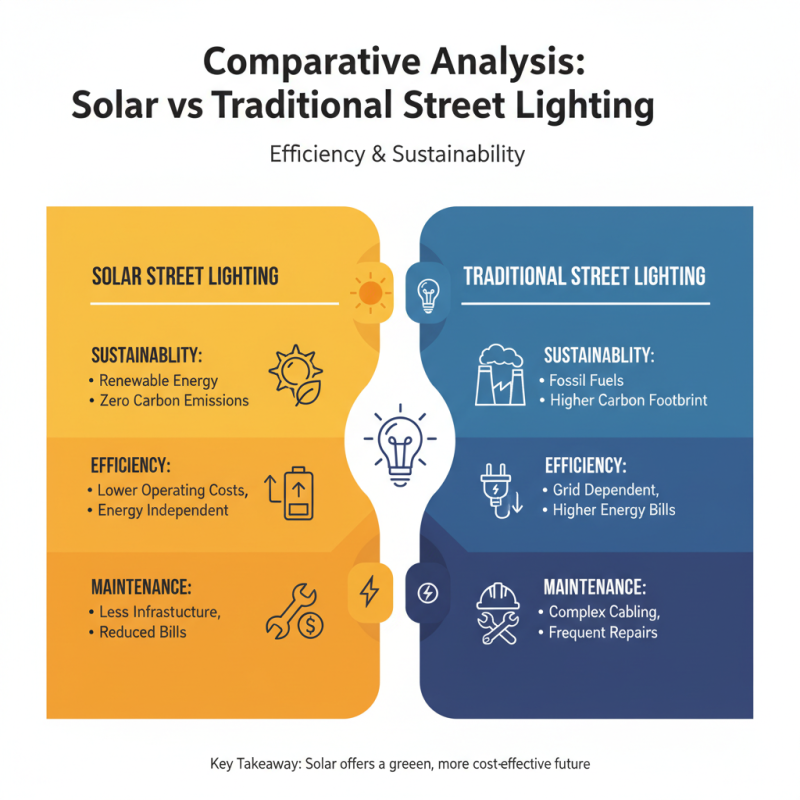
The comparison between solar and traditional street lighting highlights significant differences in efficiency and sustainability. Solar street lights operate independently, using solar panels to harness energy during the day. Their energy savings can reach up to 80% compared to conventional lighting, which relies on grid electricity. A 2021 report suggested that adopting solar solutions could reduce carbon emissions by nearly 2.5 metric tons per fixture annually. This is crucial in combating climate change.
Moreover, traditional street lighting often incurs high maintenance costs and consumes constant electricity. Maintenance typically includes bulb replacements and electrical repairs, costing cities thousands annually. In contrast, solar solutions can last over 25 years with little upkeep. This reliability is beneficial for governments looking to optimize budgets. However, the initial investment might deter some communities, posing a challenge to transitioning from outdated systems.
In cooler climates, solar lights may face performance issues due to limited sunlight. Experts recommend careful site assessment to maximize efficiency. They acknowledge that not all areas are ideal for solar lighting without adjustments. This comparative analysis underscores the evolving landscape of street lighting technology, paving the way for innovation while also posing unique challenges.
Future Trends in Solar Street Light Development in China
As solar street lights evolve, their design and technology are shaping urban landscapes in China. Future trends emphasize enhanced efficiency and sustainability. Innovations in solar panel technology are leading to higher energy conversion rates. These advancements allow lights to stay illuminated longer, from dusk to dawn, even on cloudy days.
Integration of smart sensors is another significant trend. These sensors adjust brightness based on ambient light and pedestrian presence. It conserves energy and extends battery life. However, challenges remain in the urban implementation of these technologies. Adaptation to varying weather conditions is not always seamless.
Moreover, the focus on aesthetics is gaining momentum. Cities aim to incorporate solar lights into their architectural designs. This blending of form and function is crucial. It enhances not only utility but also the visual appeal of urban spaces. The road ahead holds considerable promise, but cities must consider infrastructure upgrades to support these advancements.
Future Trends in Solar Street Light Development in China