Buying a Motion Sensor Spotlight Solar light seems simple until a dark path exposes its weaknesses. A bright product photograph cannot show winter charging, delayed detection, or a weak mounting bracket. This guide, “7 Tips for Buying Motion Sensor Spotlight Solar Lights,” examines those details before they become expensive mistakes.
Lighting engineer and consultant James R. Benya has said, “Good lighting is not simply about brightness; it is about seeing comfortably and safely.” That principle matters here. A powerful beam may still disappoint when the panel faces shade, the battery loses capacity, or the sensor reacts to passing branches. Check the motion range, detection angle, lumen output, battery type, panel position, and weather resistance. Read real customer reviews carefully. Look for comments about rain, cold nights, and installation height.
Small details matter.
During testing, place the light near a walkway and observe its response after sunset. Does it activate quickly? Does the beam cover the steps? Can the panel receive several hours of direct sunlight? These practical questions reveal more than impressive packaging.
Still, no buying checklist is perfect. Solar performance changes with seasons, dirt, nearby walls, and local weather. I may prefer adjustable sensitivity, while another homeowner may value a softer beam. That difference deserves attention. The best Motion Sensor Spotlight Solar choice should match the property, not merely the highest advertised brightness. Expect trade-offs, and question claims that sound too perfect.
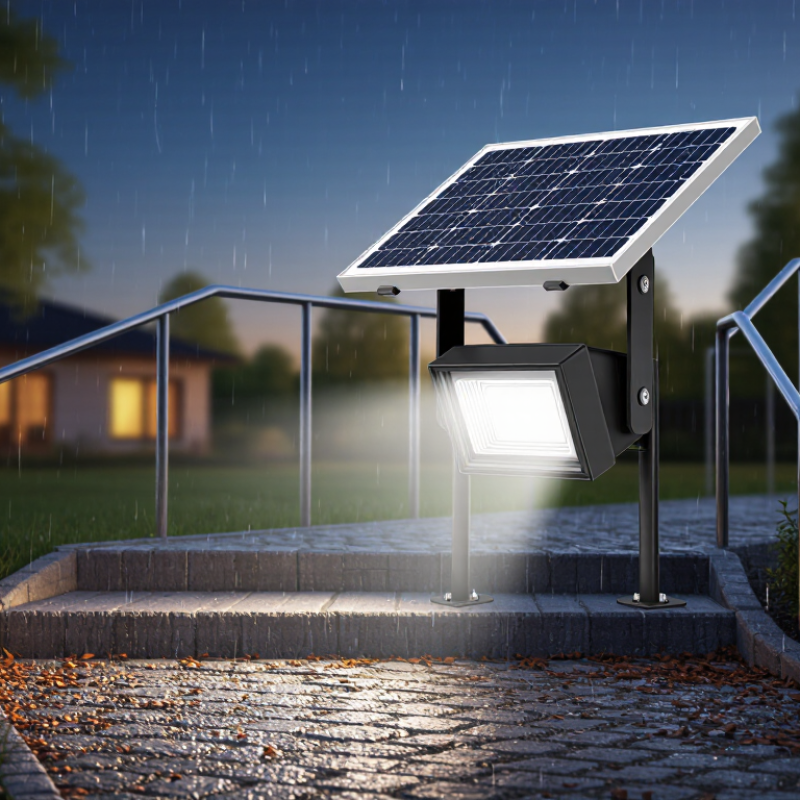
Before buying a solar motion spotlight, define what you need to illuminate. A front path, driveway, shed entrance, and patio require different coverage. Walk the area after sunset. Note dark steps, narrow corners, and nearby windows that could receive glare. A small path may need focused light, while a driveway needs broader coverage. Choose brightness carefully. Excessive brightness can disturb neighbors and reduce nighttime comfort.
Measure the installation area before selecting a light. Check whether direct sunlight reaches the solar panel for several hours daily. Trees, roof edges, and tall fences may create shadows. Avoid placing the panel beneath covered porches unless it still receives strong daylight. Mount the spotlight high enough to discourage tampering, but keep the sensor aimed toward approaching movement. A height of roughly two to three meters often works well, depending on the terrain.
Think about weather and maintenance, too. Water-resistant construction matters during heavy rain, while removable panels simplify cleaning. I once placed a sensor beside a gate, but passing traffic triggered it repeatedly. The location seemed practical, yet the setting needed adjustment. Test the detection range at night and change the angle if necessary. Small mistakes happen. A second test can reveal them. Consider whether the light should activate briefly or remain on longer, based on safety, privacy, and battery performance.
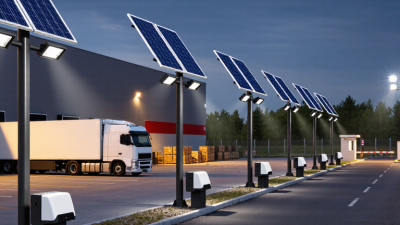
Typical brightness ranges can help match a solar spotlight to the intended installation area.
Pathways generally need lower light levels for safe movement, while entrances, driveways, and security zones require more lumens for visibility. Before buying, measure the area, check the mounting height, consider the desired beam coverage, and choose a motion sensor range that reaches the approach path without triggering unnecessarily.
7 Tips for Buying Motion Sensor Spotlight Solar Lights
When choosing a motion sensor spotlight, inspect the solar panel before admiring its brightness. A larger panel usually collects more energy, but placement matters just as much. Shade from a balcony or tree can reduce charging throughout the day. Check the panel’s rated wattage, conversion efficiency, and suggested sunlight exposure. In my experience, a light facing afternoon sun performs better than one hidden under an overhang. The difference becomes obvious after several cloudy days.
Battery capacity controls how long the spotlight can operate at night. Look for the battery’s capacity in milliamp-hours and check whether it matches the light’s power demand. A powerful lamp with a small battery may shut down early. That is frustrating. Also examine the battery type, charging time, and expected cycle life. Rechargeable lithium-based batteries often provide stable output, but cold weather can reduce performance. Manufacturer claims should be treated as estimates, not guarantees.
Test the product’s practical settings before buying. Adjustable brightness and a shorter motion duration can conserve stored energy. A detection range of eight to ten meters may be useful, but walls and heavy rain can reduce it. I once focused only on capacity and ignored charging speed; the light looked impressive but stayed dim after winter weather. Read independent test results when available, and compare nighttime runtime under similar conditions. A clear indicator for charging status can also reveal whether the panel is working properly.
7 Tips for Buying Motion Sensor Spotlight Solar Lights
Compare Motion Detection Range, Sensitivity, and Coverage
A motion sensor spotlight should match the space, not just advertise a long detection range. Measure the path, driveway, or doorway where movement actually occurs. A range of 20 feet may suit a small entrance, while a wider yard may need 40 feet or more. However, distance alone can mislead. Detection angles often range from 90 to 180 degrees, changing how much ground the light can monitor.
Check sensitivity controls carefully. Adjustable sensitivity helps reduce triggers from passing pets, swaying branches, or nearby traffic. High sensitivity can catch a person earlier, but it may also drain the battery faster. Test the light at different times. I once positioned a sensor too close to a tree, and moving leaves activated it repeatedly. That mistake taught me to observe the site before mounting anything.
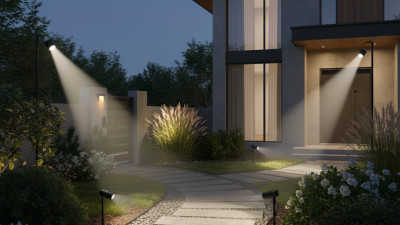
Coverage depends on more than sensor range. Examine the spotlight’s beam angle, head adjustment, and mounting height. A narrow beam may brighten a doorway but leave dark areas beside it. Two adjustable heads can spread light across steps and a walkway. Keep the panel away from deep shade, since weaker charging may shorten nighttime operation. Read the detection specifications, then test them outdoors. Real walls, rain, clothing, and walking direction can produce different results. Specs are useful, but imperfect.
When buying solar motion sensor spotlights, judge brightness by lumens, not watts. A 600-lumen light can illuminate a doorway clearly, but beam angle changes the result. Narrow beams create sharper security coverage, while wide beams reduce harsh shadows. The U.S. Department of Energy reports that modern LED products can exceed 100 lumens per watt, although outdoor fittings vary widely. My own mistake was trusting the highest lumen claim without checking battery capacity.
Weather resistance matters just as much. Look for an IP65 rating or higher, and verify the testing standard. Under IEC 60529, IP65 means protection from dust and water jets, not complete submersion. Mount the panel where leaves cannot cover it. The International Energy Agency has reported that lighting uses about 15% of global electricity, so efficient solar charging also deserves attention. Cloudy weather remains a weak point. It does not disappear.
Light modes should match the location. A dim standby mode with full brightness after motion usually preserves stored energy better than continuous high output. Check the sensor’s detection range, trigger duration, and response angle. Some units advertise long runtime under ideal laboratory conditions. Real winter performance may be shorter, especially with low sunlight and cold temperatures. I prefer adjustable settings, because a five-minute trigger can waste energy and annoy neighbors. Also inspect the battery’s replaceability and charging indicator. A polished specification sheet is useful, but hands-on testing after several cloudy days is more convincing.
| No. | Buying Tip | Key Dimension to Check | Practical Reference Range | What to Look For | Useful Evaluation Method |
|---|---|---|---|---|---|
| 1 | Compare brightness with the coverage area | Lumens, beam angle, and mounting height | About 300–1,000 lumens for typical paths, entrances, and small yards | Higher lumens do not always mean better illumination. A wide beam is useful for paths, while a narrower beam can concentrate light on a doorway or gate. | Check the stated lumen output and beam angle, then compare them with the area to be lit. Avoid judging performance from wattage alone. |
| 2 | Check weather resistance before outdoor installation | Ingress Protection rating and operating temperature | IP65 or higher is generally more suitable for exposed outdoor locations | An IP65 enclosure is dust-tight and protected against water jets. The rating does not automatically confirm protection against immersion, freezing, or corrosion. | Verify the complete IP code in the specifications and look for a stated temperature range, sealed charging ports, and corrosion-resistant mounting hardware. |
| 3 | Evaluate motion-sensor performance | Detection range, detection angle, and response time | Approximately 5–10 m detection range and 90–180° detection angle | A sensor can detect moving people more reliably when they cross its field of view rather than walk directly toward it. Nearby roads, trees, or reflective surfaces may cause false triggers. | Test the light at the intended height and approach direction. Check whether the sensor has adjustable sensitivity, angle, and activation timing. |
| 4 | Review the available light modes | Standby brightness, motion brightness, and timer duration | Common options include off-to-bright, dim-to-bright, and fixed low-light modes | Dim-to-bright operation can provide orientation lighting while using less stored energy. A short activation period may conserve battery power. | Confirm which modes are available and whether brightness and timer settings can be adjusted independently. |
| 5 | Assess solar charging and battery capacity | Panel position, battery type, capacity, and charging time | A replaceable lithium battery and a panel positioned toward unobstructed direct sunlight are practical features | Shade, winter conditions, dirt, and short daylight hours reduce charging performance. Battery capacity should be considered together with brightness and nightly activation frequency. | Look for battery capacity in mAh or Wh, charging guidance, and a low-battery indicator. Confirm that the panel will receive several hours of direct sunlight. |
| 6 | Inspect installation flexibility and light direction | Adjustable head, separate panel option, mounting height, and cable length | Adjustable spotlight heads and tilt angles are useful for directing light where it is needed | A separate solar panel can solve problems caused by a shaded wall, while an adjustable head helps reduce glare and wasted light. | Measure the mounting surface, check included screws and brackets, and confirm that the panel cable can reach a sunny position. |
| 7 | Consider durability, maintenance, and safety | Materials, warranty terms, cleaning access, and battery replacement | UV-resistant housing, secure fasteners, protected wiring, and accessible battery compartment are desirable | Regularly removing dust and leaves from the solar panel can improve charging. Rechargeable batteries gradually lose capacity and may eventually need replacement. | Review the warranty, replacement-part availability, safety instructions, and recommended cleaning procedure before purchasing. |
Buying motion sensor spotlight solar lights is less about bright claims than fitting real conditions. Start by studying the mounting surface. A brick wall may need masonry anchors, while a wooden fence accepts weather-resistant screws. Place the panel where winter shade will not cover it. Keep the spotlight near the walkway, but avoid aiming it at bedrooms or neighboring windows. A short test at dusk reveals blind zones better than a product diagram. Do not skip this step.
Installation options affect long-term value. Adjustable heads help cover steps, gates, and bins without moving the whole unit. Separate panels work well beneath eaves or balconies, using a cable route protected from sharp edges. Integrated designs look cleaner, yet their placement can be less forgiving. Check the sensor range at different heights. A two-meter mount may detect a person reliably, but it can miss a small pet or cyclist. That detail is easy to overlook.
Durability needs more than an outdoor label. Look for sealed housing, corrosion-resistant fasteners, and a clear water-resistance rating from recognized testing. Battery performance may weaken after repeated cold nights or cloudy weeks. In my experience, frequent false triggers drain power quickly. Adjust sensitivity and detection angle before judging the battery. Value comes from usable light, replaceable parts, and simple cleaning. I still find some units disappoint after months; advertised brightness rarely reflects shaded gardens. Inspect the panel monthly, wipe dust gently, and check loose screws after storms. Paying less upfront can mean replacing the entire light later.