Leave Your Message

Why Choose Security Light Battery Operated for Outdoor Use?

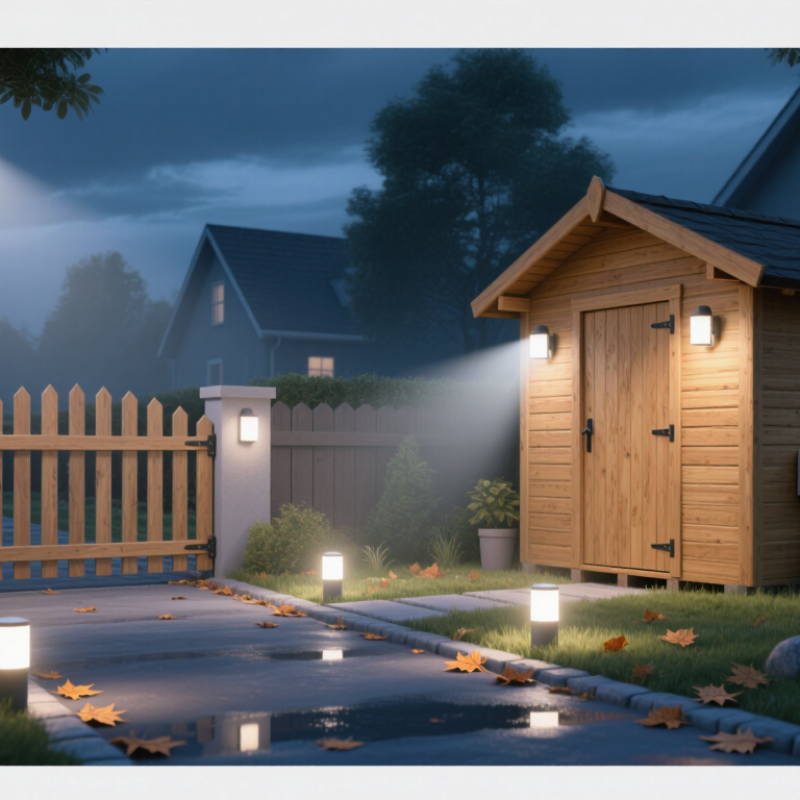
Outdoor security should not depend on a nearby wall outlet or complicated wiring. A Security Light Battery Operated system offers a practical way to illuminate driveways, side paths, sheds, and garden entrances. Installation is usually straightforward, especially where electrical access is limited. Mounting the light near a gate can brighten a dark approach within seconds of detecting movement.

Real-world performance depends on more than brightness. Battery type, sensor range, weather resistance, and mounting height all affect daily reliability. A quality model should withstand rain, temperature changes, and repeated outdoor use. Look for clear product specifications, tested safety features, and dependable manufacturer support. These details matter when the light must work during a winter storm or a late-night delivery.

Convenience is another strong reason to choose this design. Battery operation reduces installation time and avoids permanent wiring across walls or paving. However, batteries require attention. Cold weather can shorten runtime, and frequent activation may drain power faster than expected. That limitation is easy to overlook. Regular testing and timely battery replacement remain essential. With thoughtful placement and realistic expectations, a Security Light Battery Operated solution can improve visibility, discourage unwanted approach, and make outdoor areas feel more secure without creating unnecessary complexity.
Why Choose Security Light Battery Operated for Outdoor Use?

What Is a Security Light Battery Operated System?

Why Choose Security Light Battery Operated for Outdoor Use?

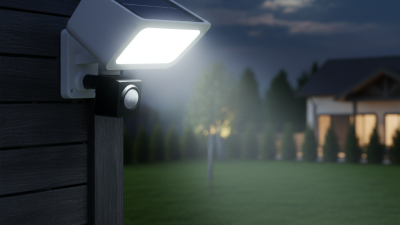
A security light battery operated system is a self-contained outdoor lighting unit. It usually combines an LED lamp, motion sensor, control circuit, battery compartment, and mounting bracket. A photocell may keep the light inactive during daylight. When movement enters the detection zone, the sensor signals the LED to turn on. No fixed wiring is required, so installation suits gates, sheds, walkways, and rental properties.

The system’s main advantage is flexible placement. It can illuminate a dark path within seconds. The U.S. Department of Energy reports that LED lighting uses up to 75% less energy and lasts up to 25 times longer than incandescent lighting. That efficiency helps battery-powered equipment operate longer between replacements. Still, battery life depends on temperature, sensor sensitivity, activation frequency, and light duration. In practice, a busy driveway can drain batteries far faster than a quiet garden. The idea is convenient, but not maintenance-free.

Tips: Check the IP weather-resistance rating before outdoor installation. Choose a detection range that matches the site, not the largest advertised number. Use rechargeable batteries when the device supports them. Test the light after installation at night. Adjust the sensor away from roads, swaying branches, and reflective surfaces. The International Energy Agency notes that lighting represents about 15% of global electricity consumption, although a small battery light has a much smaller impact. That figure still encourages efficient LED design, but it should not replace careful site planning.
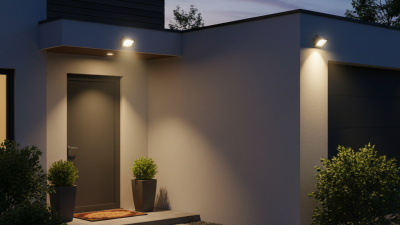
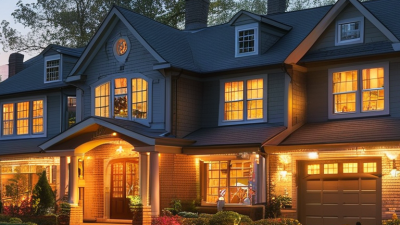
Why Choose a Security Light Battery Operated System for Outdoor Use?

A battery-operated security light can provide focused illumination without fixed wiring. The chart below shows the estimated number of 30-second activations available from 10 Wh of usable battery energy at different light power levels.

Calculation basis: activations = 10 Wh ÷ (light power × 30 seconds ÷ 3,600). Actual performance varies with battery condition, temperature, sensor settings, and standby consumption.

How Battery-Operated Security Lights Work Outdoors

Battery-operated security lights work through a simple control chain: a sensor detects movement, a circuit activates LEDs, and a battery supplies power. Most outdoor models use passive infrared sensors, which notice changes in heat from people or animals. A daylight sensor prevents unnecessary activation during bright hours.

Motion triggers the light. A timer then controls its duration, often for 20 to 60 seconds. This short cycle protects battery capacity and limits glare for neighbors. The U.S. Department of Energy reports that LEDs use at least 75% less energy and can last up to 25 times longer than incandescent lighting. That efficiency is valuable when no wired power source exists. Still, cold weather can reduce battery performance, while rain and dust can weaken poorly sealed components.

Placement affects real performance more than many buyers expect. Mounting the fixture about two to three meters high can improve coverage, but nearby branches may create false triggers. A practical check involves walking across the detection zone at night. Watch the beam, delay, and shadowed areas. The International Energy Agency has identified lighting as roughly 15% of global electricity consumption, showing why efficient control matters. Battery lighting reduces wiring, but it is not maintenance-free. Batteries need inspection, and rechargeable cells gradually lose capacity. I would also question advertised detection ranges; walls, steep angles, and winter clothing can reduce actual coverage.

Why Choose Security Light Battery Operated for Outdoor Use? - How Battery-Operated Security Lights Work Outdoors

Data Dimension Typical Outdoor Specification How It Works Outdoors Practical Consideration
Power source Replaceable alkaline, lithium, or rechargeable NiMH/Li-ion batteries The battery supplies direct current to the motion sensor, control circuit, and LED module. Battery chemistry, capacity, temperature, and activation frequency affect operating time.
Light output Approximately 200–2,000 lumens for common residential security lights LEDs convert electrical energy into focused or wide-area illumination when activated. Higher brightness generally consumes more energy and may reduce battery life.
Motion detection Passive infrared (PIR) detection with a typical range of 3–10 metres The PIR sensor detects changes in infrared energy caused by moving people, animals, or vehicles. Detection distance and angle depend on sensor design, mounting height, and ambient conditions.
Activation time Usually adjustable from about 10 seconds to several minutes A timer keeps the LED on after motion is detected, then switches it off automatically. Shorter activation periods conserve battery power in frequently used areas.
Daylight control Integrated light sensor or dusk-to-dawn control The light sensor prevents or limits activation during daylight to avoid unnecessary battery use. Sensor placement should avoid direct artificial light that could cause false daytime readings.
Weather resistance Outdoor models commonly use IP44, IP54, IP65, or higher protection ratings The enclosure uses seals and covers to reduce the entry of dust and water. IP65 indicates dust-tight protection and protection from water jets; it does not mean the light is suitable for submersion.
Operating temperature Many outdoor units are rated roughly from −20°C to 40°C, depending on the design The control circuit and LED operate within the manufacturer’s specified temperature range. Cold weather can temporarily reduce battery capacity, especially for some alkaline batteries.
Typical battery life From several weeks to several months between replacements under normal intermittent use The light remains off most of the time and draws power mainly during detection and illumination. Frequent motion, long timer settings, high brightness, and low temperatures shorten runtime.
Installation flexibility Wireless mounting without a mains power cable; many units use screws or brackets The internal battery powers the complete lighting system at the installation location. Suitable for paths, sheds, gates, garages, and areas where electrical wiring is difficult or expensive.
Maintenance Battery replacement or recharging plus occasional cleaning of the lens and sensor A clean lens and unobstructed PIR sensor help preserve light output and detection performance. Check seals, battery contacts, and mounting hardware periodically, particularly after severe weather.
Main outdoor advantage Independent operation without grid electricity The light can activate locally whenever motion and low-light conditions meet the control settings. It can improve visibility and act as a deterrent without increasing fixed electrical wiring requirements.

Note: Specifications are typical ranges for outdoor battery-operated security lights. Actual performance varies by design, battery type, installation position, weather, and usage frequency.

Key Benefits of Using Battery-Powered Outdoor Security Lights

Why Choose Security Light Battery Operated for Outdoor Use?

Battery-powered outdoor security lights offer flexible protection where wiring is difficult. Place one beside a garden gate, shed, or dark side path. No trenching is required. Installation can take minutes, not hours. Motion sensors also keep the light off when nothing moves. That helps preserve battery life and reduces unnecessary disturbance to neighbors.

LED technology strengthens this setup. The U.S. Department of Energy reports that LED lighting uses at least 75% less energy than incandescent lighting and lasts up to 25 times longer. The International Energy Agency’s 2024 Batteries and Secure Energy Transitions report recorded more than 40 GW of new battery storage worldwide in 2023. This growth suggests improving battery technology, although household lighting still depends on cell quality, weather, and usage. A rainy winter can expose weak designs quickly.

Tips: Test the detection angle at night. Keep the panel or sensor clear of leaves. Choose weather-resistant housing and replace batteries before winter. Battery lights are convenient, not maintenance-free. That distinction matters. Some units may trigger during heavy rain or miss slow movement. Consider rechargeable batteries, but check charging access and temperature limits before installation.

How to Choose the Right Battery-Operated Security Light

Why Choose Security Light Battery Operated for Outdoor Use?

Choosing the right battery-operated security light starts with the area you need to protect. A narrow side path needs a different light from a wide driveway. Measure the mounting height and detection distance before shopping. A 120-degree sensor may cover a doorway well, but it can miss movement beside a wall. Check the shadows.

Brightness matters, but higher lumens are not always better. Excessive brightness can create glare and reduce visibility near the sensor. For small entrances, moderate output is often practical. Look for adjustable sensitivity, lighting duration, and motion range. These controls help reduce false triggers from pets, branches, or passing vehicles. A weather-resistant rating is also essential for rain, dust, and seasonal temperature changes.

Battery choice affects reliability more than many buyers expect. Rechargeable lithium batteries usually perform well in repeated outdoor use, while ordinary alkaline batteries may suit temporary installations. Check the expected runtime and replacement process. Choose a lamp with a secure housing and a stable mounting bracket. Loose brackets can cause changing detection angles after strong wind. In my own installation, I placed one light too close to a reflective window, causing repeated activation. Moving it slightly solved the problem, but I should have tested the surface first. Walk through the area at night before final tightening. Review the beam position, sensor response, and battery access every few months.

Installation, Battery Care, and Outdoor Safety Considerations

Why Choose Security Light Battery Operated for Outdoor Use?

Battery-operated security lights simplify installation where wiring is difficult, such as garden gates, sheds, and side paths. A practical installation check starts with sunlight, motion coverage, and drainage.

Mount the light about 2–3 metres high, angled toward approach routes rather than windows. Keep the sensor clear of branches, reflective walls, and moving heat sources.

The U.S. Department of Energy reports that LED lighting uses at least 75% less energy than incandescent lighting and can last up to 25 times longer. That efficiency helps battery-powered lights provide useful illumination without frequent replacement.

Still, performance depends heavily on battery care. Use the specified battery type, replace matched cells together, and remove batteries before long storage. Cold weather can reduce output. Very hot locations can shorten battery life.

Outdoor safety needs more than brightness. The International Electrotechnical Commission’s IEC 60529 standard defines IP ratings for protection against dust and water. Choose a suitable rating for exposed locations, and inspect seals after opening the battery compartment.

Keep the housing away from standing water. Do not cover ventilation openings. A weak mounting point may become a hazard during strong wind.

I would also test the detection range at night, because daytime testing can hide blind spots. No light prevents every incident. It only improves visibility and response time.