Top Tips to Choose Motion Sensor Spotlight Solar for Your Home?
As energy efficiency becomes a crucial consideration for homeowners, the demand for Motion Sensor Spotlight Solar lighting has surged. According to a report by the Solar Energy Industries Association, solar installations in residential areas increased by 24% in 2021. This trend highlights the growing awareness of renewable energy solutions. Motion sensor features add to the appeal by providing safety and convenience.
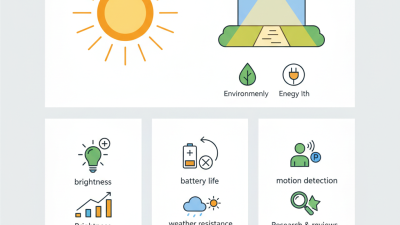
Choosing the right Motion Sensor Spotlight Solar can be challenging. Factors such as brightness, battery life, and installation ease play significant roles. A recent study on consumer preferences found that 70% of users prioritize reliability over initial cost. This demonstrates that homeowners value long-term investment in quality lighting solutions.
However, not all products meet these expectations. Some solar spotlights may not provide adequate illumination or have short lifespans. It is essential to research brands and read reviews before making a purchase. A thoughtful approach will ensure that your investment enhances your home’s security and aesthetics while contributing to a sustainable future.
Top Factors to Consider When Choosing Solar Motion Sensor Spotlights
When choosing motion sensor spotlight solar lights for your home, several factors merit consideration. The brightness you need is crucial. A lumens range of 100 to 300 can effectively illuminate walkways. However, a higher lumens output may be necessary for larger areas or security purposes. Test different levels to find what suits your space best.
The sensor range and sensitivity play a significant role. Sensors typically detect motion within a range of 10 to 30 feet. If your yard is expansive, aim for a longer range. Testing the sensitivity settings can help avoid false triggers, especially in windy areas. Motion sensitivity can vary; sometimes it might be too sensitive or not sensitive enough.
Battery life and solar panel quality are essential. A poorly designed panel might not charge effectively, leading to dim lights. Look for panels that utilize high-efficiency solar cells. Regular maintenance checks can reveal whether your lights are performing optimally. It's worth noting some lights may need replacement sooner than expected. Taking these factors into account can help you make a more informed decision.
Understanding the Benefits of Solar Technology for Outdoor Lighting
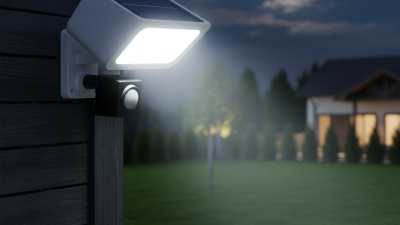
Solar technology is changing the way we approach outdoor lighting. Motion sensor spotlights powered by solar energy offer an efficient and eco-friendly alternative. These lights harness sunlight during the day and provide illumination at night. This ensures safety around homes while reducing energy bills. Understanding its benefits is crucial for making informed choices.
Solar-powered lights operate autonomously. They charge all day and illuminate when needed. This feature is especially useful in areas with limited access to electricity. Additionally, the installation process is simplified since they do not require complex wiring. Choosing motion sensors adds another layer of efficiency. They activate only upon detecting movement, preserving energy when no one is around.
Solar lights can also endure varying weather conditions. You might find that some models withstand rain or snow better than others. However, not all products perform equally well. Researching specific features and customer reviews can provide valuable insights. The world of solar technology continues to grow, yet finding reliable products remains a challenge. Consider your home’s specific needs to select the best option, ensuring safety without compromising on sustainability.
Top Tips to Choose Motion Sensor Spotlight Solar for Your Home
| Feature |
Description |
Benefits |
Considerations |
| Solar Panel Efficiency |
Conversion rate of sunlight to electricity. |
Higher efficiency means faster charging and brighter lights. |
Check for panel type and wattage. |
| Battery Capacity |
Amount of stored energy for nighttime use. |
Longer use time after sunset. |
Look for high-capacity batteries for longer night operation. |
| Motion Detection Range |
Distance at which motion is detected. |
Improved security and responsiveness. |
Ensure it covers the intended area. |
| Durability |
Resistance to weather conditions. |
Lasts longer in outdoor environments. |
Look for IP ratings indicating water and dust resistance. |
| Light Brightness |
Measured in lumens, indicates light output. |
Brighter lights improve visibility and security. |
Choose brightness based on location requirements. |
Key Features of Effective Motion Sensor Spotlights for Home Security
When selecting a motion sensor spotlight solar for home security, it’s crucial to understand key features. One vital characteristic is the brightness level. A good spotlight should emit at least 700 lumens to effectively illuminate dark areas. This brightness not only deters intruders but also helps in identification.
Another aspect to consider is the motion detection range. An effective spotlight should cover at least 30 feet in distance. Some models offer an adjustable sensitivity setting. This allows customization based on your needs, reducing unwanted triggers from passing cars or animals.
Battery life is also important; choose models that last longer between charges. Solar panels should be efficient, capturing enough sunlight even in partially shaded areas. Installation ease is another critical factor. Some fixtures require wiring, while others allow for simple mounting anywhere. Reflecting on these features can lead to better home security solutions.
Evaluating Brightness and Beam Angle for Optimal Performance
When selecting a motion sensor spotlight solar, brightness and beam angle are crucial factors. Brightness is typically measured in lumens. A higher lumen count means a brighter light. For security, at least 300 lumens is recommended. However, too much brightness can create glare. Think about your specific needs and the locations for installation.
Beam angle is another vital consideration. It determines how wide the light spreads. A narrower angle creates focused illumination, ideal for driveways or entrances. A wider angle provides broader coverage, suitable for gardens or patios. Finding the right balance is essential.
Evaluating both factors goes beyond numbers. Consider how different angles and brightness levels affect your space. Sometimes, more light isn’t always better. Experimenting with different setups can help you see what works best. Don’t be afraid to adjust and rethink your initial choice for optimal results.
Comparing Battery Life and Charging Efficiency of Various Models
When choosing motion sensor spotlight solar lights for your home, battery life and charging efficiency are critical factors. Many models claim long-lasting power, but their performance can vary significantly. Look for lights that offer lithium-ion batteries, which tend to provide better longevity and faster charging times. Basic lead-acid batteries, while cheaper, often don’t hold a charge as well and degrade more quickly.
Another aspect to consider is the solar panel efficiency. Higher quality panels can absorb more sunlight, crucial for areas with limited sunlight. Some models feature adjustable solar panels, allowing users to find the best angle for sunlight absorption. Be prepared to experiment with different placements. A poorly positioned panel can lead to insufficient charging, leaving your lights dim when you need them most.
In evaluating various models, reading customer reviews can be insightful. Look for recurring themes regarding battery life and charging issues. However, remember that individual experiences may vary. It's essential to balance user feedback with technical specifications. Selecting the right model may take time, but the right choice can enhance security and ambiance around your home.