How to Choose the Best Solar Street Light for Home Use?
When considering how to choose the best solar street light for home use, it’s crucial to understand the unique needs of your space. Solar street lights provide an eco-friendly alternative to traditional lighting. They illuminate pathways, driveways, and gardens while reducing energy costs. However, not all solar street lights are created equal.
Investing in the right solar street light for home can significantly impact both aesthetics and safety. Factors like brightness, battery life, and solar panel efficiency must be evaluated. You may also want to examine the installation process. These lights should seamlessly integrate into your outdoor environment while being reliable.
Yet, many homeowners overlook important details in their selection process. For example, understanding your home’s sunlight exposure is key. This can affect the solar panel's effectiveness and, ultimately, your satisfaction with the light. Making an informed decision requires research and reflection. By evaluating your options carefully, you can enjoy the benefits of a well-chosen solar street light for home.
Understanding the Basics of Solar Street Lights for Home Use
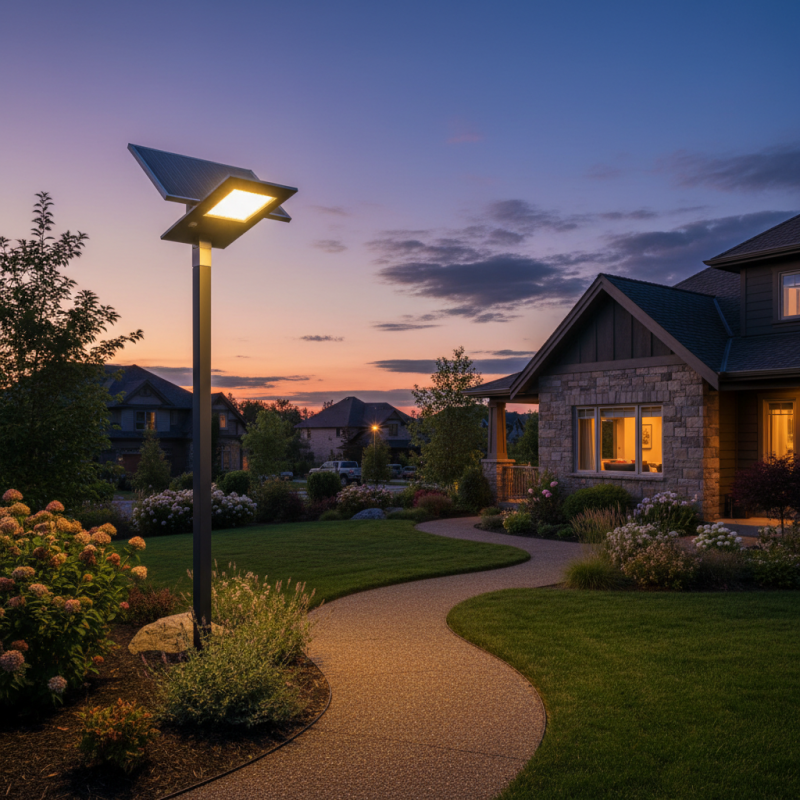
When choosing solar street lights for home use, understanding the basics is crucial. Solar street lights operate through solar panels that absorb sunlight during the day. This energy is stored in batteries and used to power LEDs at night. The efficiency of the solar panel is vital. It determines how much light you'll have after sunset. Look for panels with higher efficiency ratings for better performance.
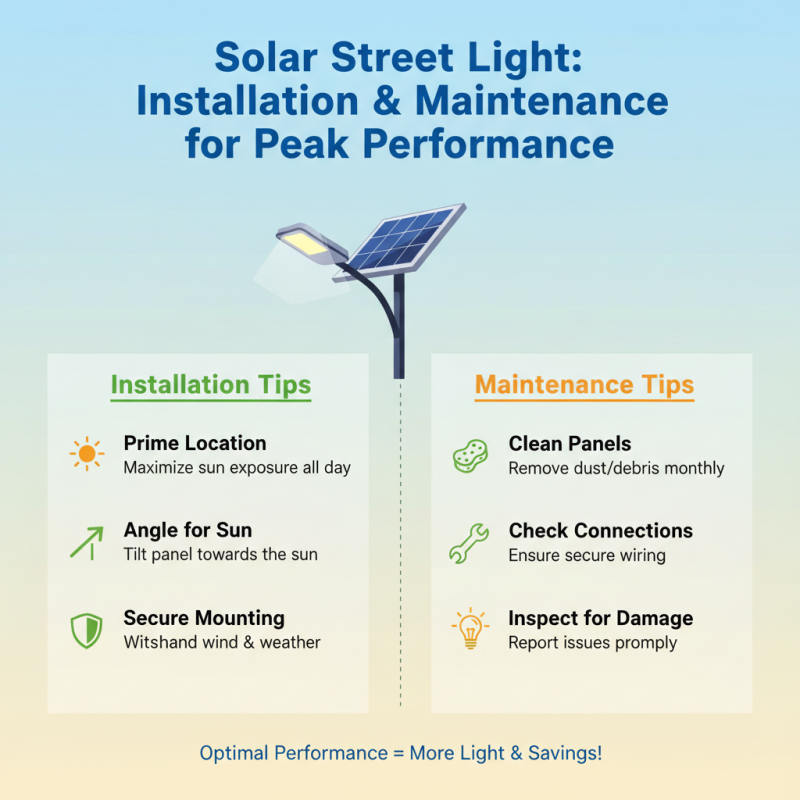
Additionally, consider the battery capacity. A robust battery ensures your lights remain operational even on cloudy days. Many users overlook the importance of installation. Proper installation enhances light distribution and energy absorption. Mistakes in this step can lead to inadequate lighting during the night.
Don’t forget to check the light's brightness, usually measured in lumens. Misjudging brightness could result in a dimly lit area or wasted energy. Reflect on your specific needs. A bright light in a busy outdoor area requires different specifications than a softly lit pathway. Each choice matters, and taking the time to evaluate these factors will lead to better results.
Key Features to Consider When Choosing Solar Street Lights
When choosing solar street lights for home use, several key features deserve attention. Brightness is crucial. Solar lights vary in lumens output. A well-lit area requires around 800-1200 lumens. This ensures safety and visibility. Consider the light's design. Adjustable angles can help direct light where it's needed most.
Battery capacity is another important aspect. Look for models with long-lasting batteries. They should provide enough power for several nights. Solar panel efficiency also matters. A high-efficiency panel helps to charge faster, even on cloudy days.
Durability is essential as well. Weather-resistant materials can withstand harsh conditions. It’s worth investigating warranties offered by manufacturers too. Reflect on your specific needs. Not all homes have the same lighting requirements. It may be beneficial to test a few options before committing.
How to Choose the Best Solar Street Light for Home Use? - Key Features to Consider When Choosing Solar Street Lights
| Feature |
Description |
Importance |
| Lumens Output |
The amount of light produced, typically ranging from 800 to 2000 lumens. |
Essential for determining brightness and visibility. |
| Battery Capacity |
Measured in amp-hours (Ah), indicating how long the light can operate at night. |
Crucial for ensuring the light stays on all night. |
| Solar Panel Efficiency |
The percentage of sunlight converted into electricity, typically between 15% to 22%. |
Affects charging time and overall performance. |
| Durability |
Resistance to weather elements and corrosion, should have an IP rating. |
Important for longevity in various climates. |
| Installation Type |
Can be pole-mounted or wall-mounted, affecting location and height. |
Determines the ease of setup and location suitability. |
| Light Sensor |
Automatically turns the light on/off based on ambient light levels. |
Increases convenience and energy efficiency. |
| Cost |
The initial investment needed, generally ranges from $100 to $300. |
Important for budget planning and value assessment. |
Evaluating Brightness and Power Needs for Your Space
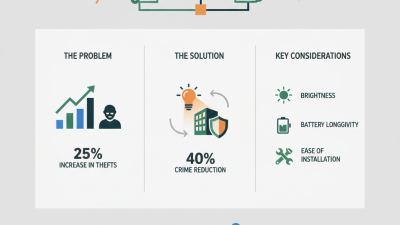
When choosing solar street lights for home use, evaluating brightness and power needs is crucial. The brightness level needed largely depends on the space you wish to illuminate. A standard suggestion is around 100 lumens per foot for pathways and 200 lumens for driveways. According to the U.S. Department of Energy, installing adequately bright lighting decreases crime rates by up to 25%. This statistic underscores the importance of proper illumination.
Power needs also merit close attention. Many solar street lights come with different wattage options. Typically, lights between 15 to 30 watts work well for residential areas. However, local conditions, such as sunlight exposure and hours of darkness, can significantly impact efficiency. A report by the Solar Energy Industries Association states that solar street lights can operate effectively with only 3 to 5 hours of sunlight daily. This variability may lead to underperformance if not properly assessed.
Selecting the right solar street light also involves considering battery capacity. This dictates how long the light can remain on during cloudy conditions or winter months. For example, a setup with insufficient battery capacity may fail to provide consistent lighting, leading to potential safety hazards. Assessing each parameter is vital for a well-informed choice.
Brightness and Power Needs for Solar Street Lights
Assessing Battery Life and Solar Panel Efficiency
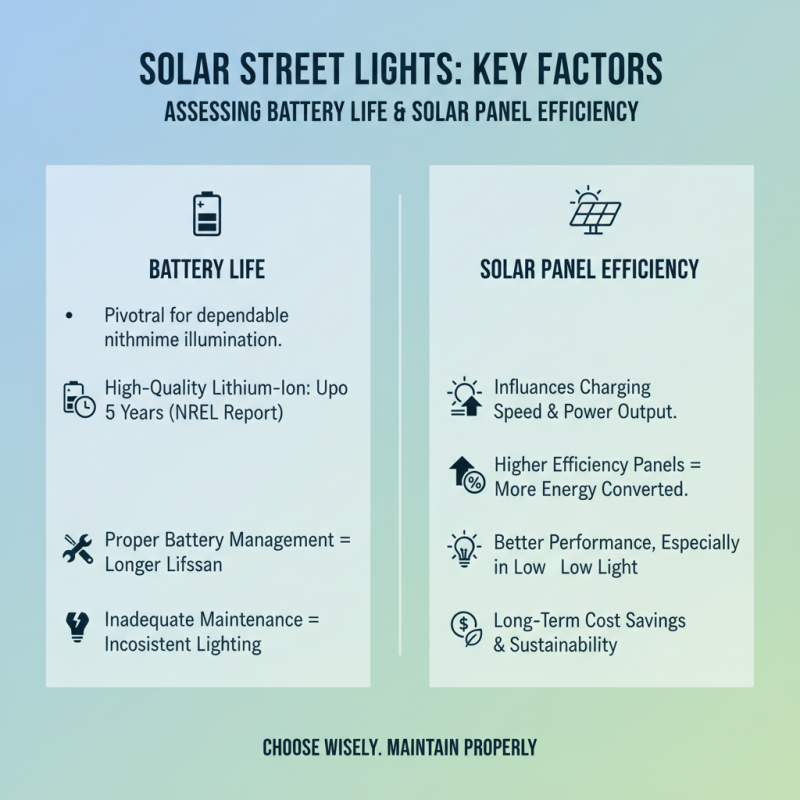
When choosing solar street lights for home use, battery life and solar panel efficiency are pivotal. Effective battery life can significantly influence the performance of solar lights. According to a report by the National Renewable Energy Laboratory, a high-quality lithium-ion battery can last up to five years, ensuring dependable nighttime illumination. However, users often overlook the importance of proper battery management. Inadequate maintenance can reduce battery lifespan, leading to inconsistent lighting.
Solar panel efficiency is equally crucial. The Solar Energy Industries Association states that most residential solar panels operate between 15% and 20% efficiency. This means only a portion of sunlight is converted into usable electricity. The placement and angle of panels impact efficiency as well. Panels not facing the sun or obstructed by trees will underperform. Homeowners must consider local climate and weather patterns that can affect solar output.
Many buyers are unaware that even high-efficiency panels may still underperform in less sunny areas. Therefore, understanding specific needs is essential. Users should evaluate local sunlight exposure before making a purchase. Little details often matter. Skipping these assessments can lead to frustration later. Be mindful when investing in solar street lighting for your home.