Best Solar Street Light Dusk to Dawn Options for Global Buyers?
As urban areas grow, effective street lighting becomes essential. Solar street light dusk to dawn options provide a sustainable solution. These lights harness solar energy, making them economical and environmentally friendly. Many cities face challenges with traditional lighting, such as high electricity costs and maintenance issues. Solar lights offer a compelling alternative.
Innovations in solar technology enhance efficiency and reliability. Dusk to dawn functionality maximizes usage, ensuring safety throughout the night. While these systems show promise, not all products meet quality standards. Some may underperform in low sunlight areas, leading to inadequate illumination. Buyers should research options carefully, considering factors like battery life and brightness.
Investing in solar street lights is a step toward greener cityscapes. However, it’s vital to evaluate specific needs and challenges. Understand that even reputable brands can have limitations. Reflecting on feedback and demanding transparency can guide better decisions. A cautious approach ensures that communities benefit from well-designed solar street light solutions.
Understanding Solar Street Lights: Definitions and Benefits
Solar street lights have gained popularity due to their numerous benefits. They harness sunlight, providing sustainable lighting solutions for various environments. Studies estimate that these lights can reduce energy costs by up to 75%, making them an attractive option for municipalities and communities. Unlike traditional streetlights, which rely on electrical grids, solar lights operate autonomously, reducing operational complexities.
The technology behind solar street lights is evolving rapidly. Current models often utilize LED lamps, which are highly efficient. Reports indicate that the global market for solar street lighting is expected to reach over $10 billion by 2026. This growth reflects an increasing global commitment to renewable energy and environmental sustainability. Some challenges remain, such as battery efficiency and the need for reliable sunlight. In regions with frequent cloudy days, performance can be inconsistent, requiring further innovation.
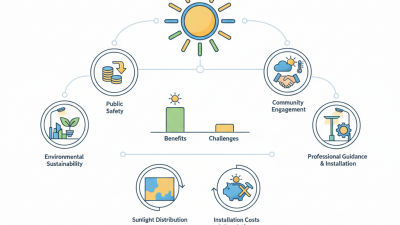
Despite these challenges, the advantages remain compelling. Solar street lights lower carbon footprints and invite community engagement. They empower citizens to develop sustainable practices. As this market matures, ongoing advancements could yield even greater efficiency and reliability. This evolution invites reflection on current implementations and future potentials.
Best Solar Street Light Dusk to Dawn Options for Global Buyers
| Model |
Power (Watts) |
Battery Capacity (Ah) |
Lumens Output |
Runtime (Hours) |
Solar Panel Size (Watt) |
IP Rating |
| Model A |
30W |
12Ah |
4000 LM |
10-12 H |
50W |
IP65 |
| Model B |
40W |
15Ah |
5000 LM |
8-10 H |
60W |
IP67 |
| Model C |
50W |
20Ah |
6000 LM |
12-14 H |
70W |
IP68 |
| Model D |
60W |
25Ah |
7000 LM |
12-14 H |
80W |
IP65 |
Key Features to Look for in Dusk to Dawn Solar Street Lights
When selecting dusk to dawn solar street lights, buyers should focus on several key features. Battery capacity is crucial. A high-capacity battery ensures the light will operate throughout the night. A study by the Solar Electric Power Association indicates that batteries should ideally provide at least 12 hours of illumination. This capacity helps accommodate varying weather conditions.
Another important aspect is the solar panel's efficiency. High-efficiency panels, often rated above 15%, can significantly improve energy absorption. This efficiency is vital for maximizing light output. In locations with limited sunshine, having reliable panels can make all the difference. Additionally, consider the fixture's brightness. The Illuminating Engineering Society recommends a minimum of 100 lumens per watt for effective illumination in public areas.
Durability also plays a key role in product selection. Look for lights constructed with high-quality materials, such as aluminum or polycarbonate, which withstand harsh weather. Reports indicate that street lights with weatherproof ratings tend to last longer, with some exceeding 50,000 hours of use. Reflecting on these features can lead to better investment choices, ultimately benefiting communities with improved lighting solutions.
Best Solar Street Light Features Comparison
Top Brands and Models of Solar Street Lights for Global Buyers
When considering solar street lights, several top brands stand out for global buyers. These brands provide a range of options suited for various climates and environments. Many models come equipped with solar panels that efficiently harness sunlight. This energy is then stored in durable lithium batteries. Such features ensure lights can operate effectively from dusk to dawn.
In selecting the right model, focus on power output and brightness. Some lights offer adjustable settings to cater to different needs. This flexibility is important for areas with varying light requirements. However, not all models perform effectively in shaded or cloudy areas. Understanding local weather patterns can guide buyers in making informed choices.
Quality and longevity are critical factors too. While many brands boast impressive warranties, actual performance can vary. Buyers should look for reviews and feedback from users in similar regions. This real-world insight often reveals practical issues that specifications alone do not cover. Ultimately, the right choice combines reliability, efficiency, and suitability for the specific location.
Installation and Maintenance Considerations for Solar Street Lights
When considering solar street lights for dusk-to-dawn functionality, installation and maintenance play crucial roles. Proper installation ensures optimal performance and longevity. Most systems require mounting at a specific height. This height promotes a broader light spread while avoiding obstructions. A 2022 industry report highlighted that proper installation could enhance lighting efficiency by up to 40%.
Maintenance is equally vital to ensure these systems work effectively. Regular checks on solar panels for debris and dirt accumulation are necessary. Dirty panels can decrease energy absorption. A survey indicated that neglected maintenance could lead to a 15% drop in light output. Additionally, battery lifespan needs monitoring. Most solar street lights use Lithium-ion batteries, which typically last 5-7 years. However, a lack of maintenance could accelerate wear and reduce their effectiveness.
Community involvement can enhance the maintenance process. Engaging local residents in upkeep raises awareness about the importance of these installations. Some municipalities have been successful in creating volunteer programs. These programs encourage residents to participate in checks and cleaning routines. Such initiatives can serve as proactive steps toward sustainable community development while ensuring reliability.
Cost Analysis and Financial Benefits of Solar Street Lighting Solutions
Solar street lights present a compelling cost-effective solution for urban areas. By utilizing solar energy, these lights reduce electricity bills significantly. Many cities face budget constraints, making solar options appealing. Initial investments may appear high, but savings accumulate over time. Maintenance costs are usually lower than traditional lighting solutions.
The financial benefits extend beyond saving on energy expenses. Solar street lights can enhance public safety, possibly increasing property values. Improved street lighting promotes economic activity in neighborhoods. However, it is essential to consider installation costs and geographic limitations. Not every location receives adequate sunlight throughout the year.
In some regions, the reliance on solar power may not suffice. Shadowing from trees or buildings can reduce efficiency. Assessing these factors is vital for decision-making. Cities must weigh both advantages and potential pitfalls before choosing this lighting solution. Each situation calls for a unique analysis, ensuring that solar street lights meet community needs effectively.