Best Solar Street Light For Home What You Need to Know?
The solar street light market is rapidly growing. According to a recent report by MarketsandMarkets, the market size is expected to reach $7.6 billion by 2025. This growth reflects a rising demand for sustainable energy solutions. The transition to renewable sources is becoming crucial in urban planning and residential areas.
Experts like Dr. Sarah Lee, a leading authority in solar technology, emphasize, "Solar street lights for home are the future of energy-efficient outdoor lighting." This highlights the significance of integrating solar technology into everyday life. Homeowners are looking toward solar options not only for cost savings but also for environmental impact.
However, choosing the best solar street light for home can be challenging. Factors such as brightness, battery life, and design must be considered. It's essential to evaluate different models before committing. While many products claim to be the best, discerning quality can be a struggle. Homeowners should remain cautious and conduct thorough research to find products that truly meet their needs.
Understanding the Basics of Solar Street Lights: Key Components and Functionality
Solar street lights are becoming increasingly popular for home use. They combine sustainability and practicality. Understanding how they function can help homeowners make informed decisions.
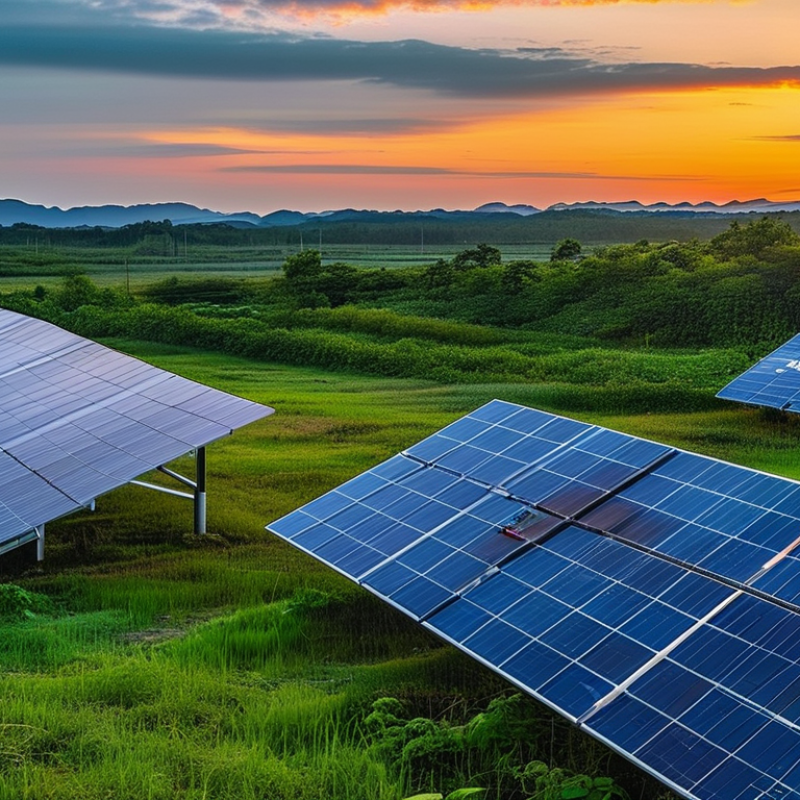
The key components of solar street lights include solar panels, batteries, LED lights, and controllers. Solar panels convert sunlight into electricity. This energy is stored in batteries for nighttime use. LED lights are energy-efficient and provide bright illumination. The controller manages the charging and discharging process, ensuring optimal performance. It's crucial to consider the wattage of the LED lights. Higher wattage means brighter light, but it also consumes more battery power.
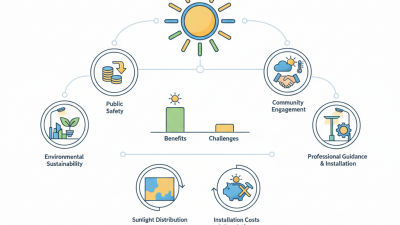
Despite their benefits, solar street lights have limitations. For instance, during cloudy days, energy generation may decrease. The battery capacity also matters. If it's insufficient, the light may not last through the night. Installation can be tricky, demanding careful planning. Placement is vital; shadows from trees or buildings can hinder performance. Homeowners should weigh these factors when considering solar street lights.
Comparative Analysis: Selecting the Right Solar Street Light for Home Use
When choosing the right solar street light for home use, several factors require careful consideration. Firstly, the brightness level matters. Most options range from 800 to 2,000 lumens. A brighter light offers better visibility but may consume more energy. According to a report by the International Renewable Energy Agency, solar lights are shining brighter and smarter. Many modern models are equipped with motion sensors and dimming features to save energy.
Battery capacity is another crucial component. High-capacity batteries, ranging from 20,000 to 40,000 mAh, ensure longer runtime. However, cheaper models often fall short, only providing limited illumination during the night. A study from the Solar Energy Industries Association indicates a 30% decline in efficiency due to poorly designed battery systems. This inefficiency could lead to frequent replacements and additional costs.
The installation is often overlooked but can significantly impact the performance of solar lights. They must be positioned where sunlight exposure is maximized, ideally with minimal obstructions. Many users underestimate the importance of location, leading to uneven lighting. Reports suggest that even a slight angle can reduce energy absorption by 15%. Therefore, investing time in proper placement is critical for effective use.
Efficiency Ratings: How Lumens and Watts Impact Solar Street Light Performance
When choosing solar street lights for your home, efficiency is key. Lumens and watts significantly influence their performance. Lumens measure brightness. The more lumens a light emits, the brighter it is. Watts, on the other hand, indicate energy consumption. A higher wattage usually means more light output, but not always.
Some may blindly choose lights with high wattage. However, this can lead to a waste of energy. Efficient solar lights can provide ample lumens without high wattage. It's crucial to find a balance. Consider your surroundings. A well-lit area may require fewer lumens. Meanwhile, pathways or dark corners might need brighter options.
Learning about lumens and watts isn't just for the technically inclined. Homeowners should understand how these factors impact their choices. The right street light enhances safety and aesthetics in your space. It may take effort to find the right match, but the benefits are worth it. A well-designed light improves nighttime visibility. Choosing wisely can elevate your outdoor experience. Always reflect on the needs of your environment.
Installation Guidelines: Best Practices for Setting Up Solar Street Lights
When setting up solar street lights, proper installation is crucial for optimal performance. Choose a location that receives ample sunlight throughout the day. Ideally, the solar panel should face south. This orientation maximizes energy absorption. Avoid shaded areas like trees or tall buildings.
Ensure the mounting height is sufficient for the light to illuminate a wide area. A height of around 10 to 15 feet is standard. This can be adjusted based on your specific lighting needs. Check the local regulations regarding the installation height and placement.
After selecting the location, prepare the site carefully. Clear any debris that might obstruct the light’s path. Secure the foundation properly to withstand wind and storms. Installation may seem straightforward, but it's essential to follow the manufacturer’s guidelines. Inspect the system after installation to ensure everything functions correctly. Remember, sometimes lights may flicker or not turn on; it’s helpful to reassess connections and the solar panel’s positioning.
Cost-Benefit Analysis: Evaluating Long-Term Savings and Environmental Impact
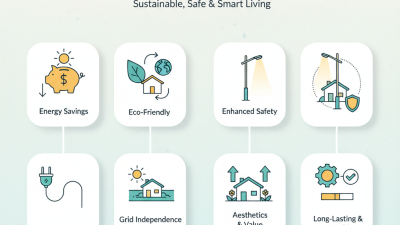
When considering solar street lights for your home, a cost-benefit analysis is crucial. Solar street lights require a higher initial investment but offer significant long-term savings. A study by the U.S. Department of Energy reports that solar lighting can reduce energy costs by up to 75%. This reduction enhances affordability over time.
The long-term savings also directly correlate with environmental benefits. One solar street light can replace hundreds of gallons of gasoline used for traditional lighting. Furthermore, using solar energy decreases greenhouse gas emissions significantly. According to the National Renewable Energy Laboratory, transitioning to solar lighting can prevent over 1 ton of CO2 emissions per light annually. Such figures underline solar lights as a sustainable choice.
Tips: Consider the installation process. Ensure you choose a location that receives ample sunlight. This step maximizes efficiency. Opting for solar technology can seem daunting. There are few common misconceptions about reliability. But, with advancements in battery technology, modern solar lights can perform well even in cloudy weather.