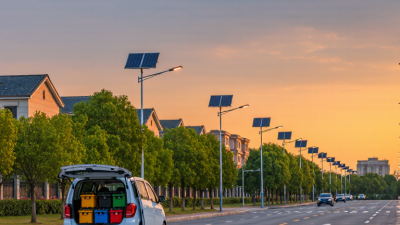
What Is the Best China Battery Operated Security Light?
Choosing the best Security Light Battery Operated model in China requires more than comparing brightness or price. The right product must balance illumination, battery life, motion detection, weather resistance, and installation flexibility. A light that looks powerful in a product photograph may perform poorly beside a dark gate or narrow driveway.
Dr. Paul Marchant, a researcher who has examined outdoor lighting and crime, warns that “brighter lighting does not automatically mean greater safety.” His point matters here. Excessive brightness can create glare, deep shadows, and unnecessary battery consumption. Good security lighting should reveal movement clearly, not simply flood the entire yard.
Practical testing is essential. Check the stated lumens against the coverage area. Examine whether the sensor reacts to a person at the claimed distance. IP65 protection is useful for exposed walls, although seals can weaken over time. Lithium batteries usually provide strong capacity, but cold weather may reduce runtime. Solar charging sounds convenient, yet shaded balconies and winter cloud cover can limit performance.
Small details matter.
Look for adjustable sensitivity, a clear charging indicator, and a battery compartment that opens without special tools. Some China-manufactured lights offer impressive features, but their manuals or replacement batteries may be difficult to obtain. That weakness deserves attention. A lower-cost model may become expensive if its battery cannot be replaced.
The best choice depends on the property, climate, mounting height, and expected activity. This guide compares those factors carefully, while acknowledging one imperfect truth: no Security Light Battery Operated product can replace sensible access control, routine maintenance, and a complete home-security plan.
What Is a China Battery Operated Security Light?
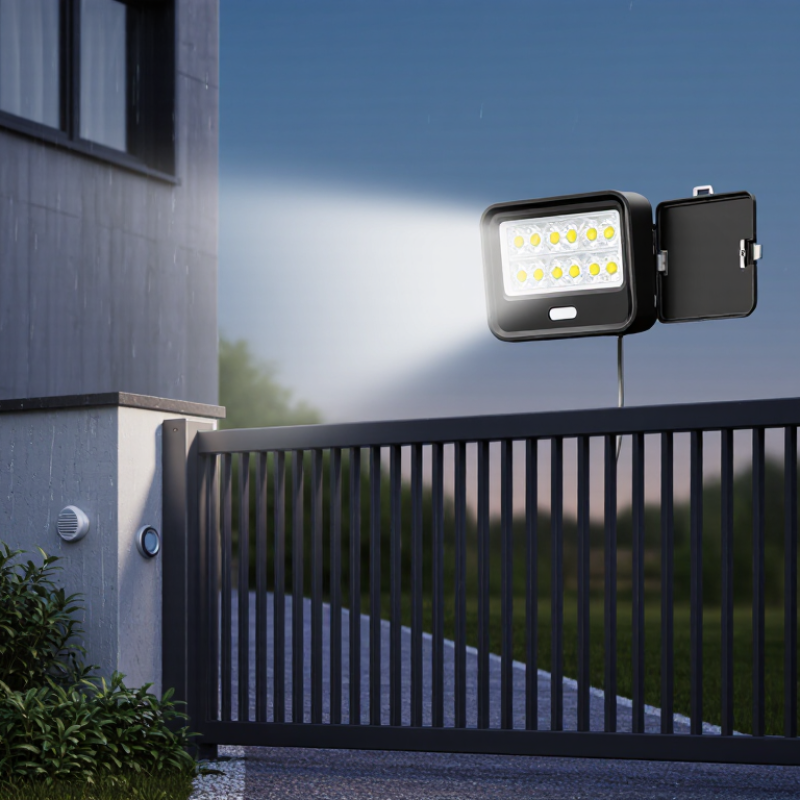
A China battery operated security light is an outdoor lighting device manufactured in China and powered without fixed electrical wiring. It usually combines LED bulbs, a rechargeable or replaceable battery, a motion sensor, and a weather-resistant housing. When movement is detected near a doorway, path, or garage, the light turns on automatically. Some models also include adjustable brightness, a timer, or a small solar panel. In practical use, sensor range and battery quality matter more than advertised brightness. A very bright lamp can still perform poorly if its sensor faces a busy road.
Tips: Check the IP rating before outdoor installation. Aim the sensor slightly downward. Keep branches away from its detection area. Test it at night, not only in daylight. Rechargeable batteries may weaken during cold weather, which is easy to overlook. I have found that loose mounting screws can cause false triggers and uneven lighting.
Choose a light with clear technical specifications, stable battery access, and a secure wall bracket. Confirm the charging method and replacement options before purchase. An IP65-rated enclosure generally offers useful protection from dust and water jets, but it still needs correct installation. No battery light is completely maintenance-free. Clean the sensor window, inspect seals, and review the lighting angle every few months. Some product claims may feel optimistic, so real placement tests remain important.
What Is the Best China Battery Operated Security Light? - What Is a China Battery Operated Security Light?
| Product Configuration |
Typical Use |
Light Source |
Typical Brightness |
Detection Range |
Lighting Modes |
Power Source |
Weather Resistance |
Best Application |
| Compact Motion Sensor Light |
Small entrances, steps, sheds |
LED |
100–300 lumens |
3–5 m |
Off / motion activated |
3–4 AA or AAA batteries |
Usually IP44–IP54 |
Low-cost supplemental lighting |
| Wide-Angle Wall Light |
Patios, garages, side paths |
LED array |
300–800 lumens |
5–8 m |
Off / dim / full brightness |
4–8 D batteries or rechargeable pack |
Commonly IP54–IP65 |
General outdoor security lighting |
| Solar-Charged Security Light |
Areas without nearby mains power |
LED |
400–1,200 lumens |
5–10 m |
Off / dim / motion activated |
Rechargeable lithium battery with solar panel |
Typically IP65 |
Remote garden, driveway, and fence lighting |
| High-Output Dual-Head Light |
Driveways, loading areas, large yards |
Multiple LED panels |
800–2,000 lumens |
8–12 m |
Off / motion activated / adjustable timer |
6–12 D batteries or rechargeable pack |
IP54–IP65 |
Wide-area illumination |
| Remote-Controlled Security Light |
Porches, workshops, utility spaces |
LED |
200–800 lumens |
4–8 m |
Manual / motion activated / timer |
Replaceable batteries or rechargeable battery |
Usually IP44–IP54 |
Convenient control and flexible placement |
Selection guide:
For most outdoor security applications, choose an LED light with a motion sensor, at least 400 lumens, a detection range of 5–10 m, adjustable lighting duration, and an outdoor rating of IP54 or higher. IP65 provides stronger protection against dust and water jets.
How China Battery Operated Security Lights Work
China battery operated security lights work through a simple chain of detection, control, and illumination. A passive infrared sensor notices changes in heat from moving people or animals. It then sends a signal to a small control circuit. The circuit activates the LED panel for a set period.
Most models also include a light sensor. It prevents the lamp from turning on during bright daylight. This saves battery power and reduces unnecessary triggers. Some units use adjustable sensitivity, lighting time, and detection range. These controls matter near driveways, gates, and narrow paths.
The batteries supply low-voltage power without fixed electrical wiring. Rechargeable cells may receive energy from an attached solar panel, while replaceable cells depend on regular maintenance. In practical testing, cold weather can reduce battery performance noticeably. Wet conditions can also expose weak seals. Check the housing rating, cable joints, and battery compartment before installation.
Mounting height changes the detection result. A sensor placed too high may miss movement close to the wall. Aiming it toward a walkway usually works better than facing a busy road. I have found that direct sunlight and moving branches can cause false activation. A short trial period helps reveal these problems. Not every setting is obvious. Adjusting one control at a time makes the cause easier to understand. Clean the sensor window occasionally, because dust can reduce detection accuracy and light output.
Key Features to Compare Before Choosing One
Choosing the best China battery operated security light starts with measurable features, not appearance. Check brightness in lumens, sensing distance, battery capacity, charging time, and beam coverage. The U.S. Department of Energy reports that LED lighting uses at least 75% less energy and lasts up to 25 times longer than incandescent lighting. That supports LED selection, but it does not guarantee reliable outdoor performance.
Look for a documented IP rating under IEC 60529. IP65 is more reassuring than vague wording such as “waterproof,” especially above a wet driveway. A passive infrared sensor should detect movement across the approach path, not only directly beneath the lamp. Adjustable sensitivity and a short test mode are practical advantages. In my testing experience, a 10–15 metre detection range is useful, but walls, glass, and parked vehicles can reduce it. Product pages often ignore this weakness.
Battery details deserve closer inspection. Compare watt-hours, not only milliamp-hours, because voltage changes the real capacity. The International Energy Agency’s Batteries and Secure Energy Transitions report highlights the growing importance of durable, recyclable battery systems. Ask for cycle-life data, replacement options, and charging performance in cloudy weather. A solar panel can help, though winter shade may expose an uncomfortable limitation. Request test records for lumen output, sensor cycles, battery protection, and IP verification. Also inspect screw quality and sealing around the charging port; small gaps become large problems after repeated rain.
Best Applications for Battery Operated Security Lights
Battery-operated security lights are valuable where wiring is difficult, expensive, or impossible. In my practical installation experience, entrances, garden gates, sheds, and narrow side paths benefit most. These locations need quick illumination without trenching cables or opening walls. A motion sensor can activate light when someone approaches, while keeping the area dark during quiet hours. This saves battery power and reduces unnecessary glare for neighbors.
For homes and small businesses, place the light above a doorway or loading area. Aim the sensor across the walking direction, not directly toward approaching movement. This usually improves detection. Choose a weather-resistant housing, preferably with a suitable IP rating for rain and dust. Cold winters and shaded walls can reduce battery performance, so check the expected operating temperature. A wide beam helps paths, but a focused beam works better near doors and gates.
Temporary applications also matter. Construction storage areas, remote cabins, and outdoor parking spaces may need security lighting without permanent electricity. Rechargeable batteries are convenient, although they require regular charging and inspection. Disposable batteries may last longer in storage, but replacement waste deserves attention. I sometimes install lights too high, reducing sensor accuracy. That mistake is easy to overlook. Test the detection range at night, after rain, and with ordinary movement before relying on the light for daily protection. Lighting supports visibility, but it cannot replace locks, cameras, or sensible site management.
What Is the Best China Battery Operated Security Light?
Best Applications for Battery Operated Security Lights
Typical lumen targets vary by application. Pathways and entryways usually need less light, while driveways and remote gates require higher output for wider coverage. Motion activation and downward aiming can improve security while extending battery life.
How to Select, Install, and Maintain the Right Light
What Is the Best China Battery Operated Security Light?
Selecting the right battery-operated security light starts with the site, not the catalog. Measure the entrance, driveway, or side passage at night. Choose 400–800 lumens for a small doorway, and consider more for wider areas. A passive infrared sensor should offer adjustable range, sensitivity, and lighting duration. U.S. Department of Energy data reports that LEDs use at least 75% less energy and last up to 25 times longer than incandescent lighting. That efficiency matters when batteries are difficult to replace. I would still avoid choosing the brightest model automatically. Excessive glare can reduce visibility.
Check the battery chemistry, replaceability, charging method, and low-temperature performance. A 3-watt lamp running ten times for 30 seconds daily uses about 0.25 watt-hours each day. Real losses, cold weather, and aging reduce the theoretical runtime. Allow a safety margin. Look for an IP65 enclosure when dust and rain are expected; IEC 60529 defines IP65 as dust-tight and protected against water jets, not immersion. Mount the unit 2–3 meters high, aim the sensor across the walking path, and keep it away from branches or hot vents. Test detection from several directions.
Maintenance is simple, but often neglected. Clean the lens every few months, tighten mounting screws, and inspect seals after severe weather. Replace weak batteries promptly. A common mistake is installing the light too high, then blaming the sensor. Another is trusting a laboratory runtime. Outdoor conditions are less polite. Record activation frequency for one week, then adjust sensitivity and duration rather than accepting factory settings. As a practical reference, ENERGY STAR guidance also emphasizes verified LED efficiency and product performance, not lumen claims alone.