Leave Your Message

What is the Best Solar Flood Light 200w for Your Needs?

When selecting the ideal Solar Flood Light 200w, it’s crucial to understand your specific needs. Industry expert Dr. Emily Sanders emphasizes, “Choosing the right solar flood light can transform outdoor spaces.” Her insight highlights the importance of proper illumination for both safety and aesthetics.

Solar Flood Light 200w offers powerful lighting solutions. These lights are energy-efficient and environmentally friendly. They cater to various outdoor applications, from security to landscaping. However, not all models perform equally well. It's essential to evaluate factors like brightness, battery capacity, and durability.

Many users encounter challenges with installation and performance. These lights often require ample sunlight for full efficiency. Additionally, some models may not withstand harsh weather conditions. Therefore, research and consideration of user reviews are paramount. A well-informed choice can lead to a significant enhancement of your outdoor environment.
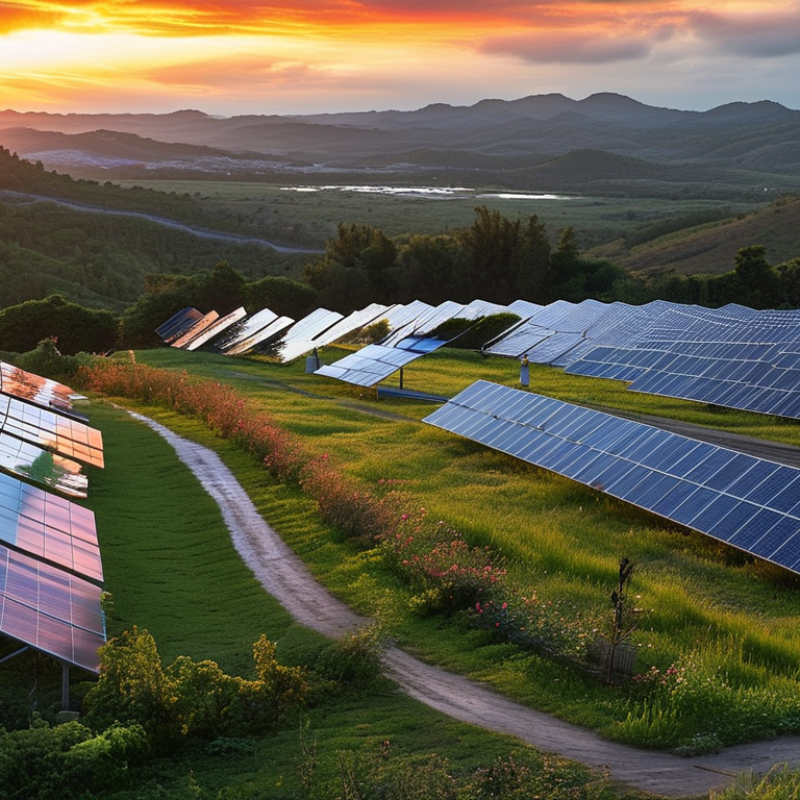
What is the Best Solar Flood Light 200w for Your Needs?

Understanding the Basics of Solar Flood Lights and Their Applications

Understanding solar flood lights involves knowing their features and applications. Solar flood lights harness sunlight to provide illumination, making them an eco-friendly choice. According to a report by the U.S. Department of Energy, solar energy installations have grown by 20% annually over the last decade, emphasizing the rising popularity of renewable energy sources.

Typically, solar flood lights come with LED bulbs, which can have a lifespan of 25,000 hours or more. This longevity, coupled with reduced electricity costs, makes solar models appealing to homeowners and businesses alike. The light output can vary, often measured in lumens. For example, a 200-watt solar flood light can produce up to 20,000 lumens, which is suitable for large areas like parking lots or sports fields.

Selecting the right solar flood light requires consideration of placement and usage. Battery capacity, charging time, and motion sensors are critical factors to evaluate. Quality varies significantly among manufacturers. Engaging with user reviews might provide insight into long-term reliability.

When choosing solar flood lights, think about the local climate, as this affects performance. Regular maintenance is needed to ensure the solar panels remain clean and functional. Understanding these fundamentals aids in selecting a system that fits specific needs while promoting sustainability.
Key Factors to Consider When Choosing a 200W Solar Flood Light

When selecting a 200W solar flood light, several key factors come into play. The brightness level is crucial. A 200W light typically offers ample illumination, making it suitable for large areas. Look for specifications that detail lumen output. More lumens mean brighter light. A clear specification helps ensure you’re making an informed choice.

Solar efficiency is another important aspect. Consider the solar panel's quality. High-efficiency panels can capture more sunlight, especially during cloudy days. Battery capacity also plays a significant role in performance. Larger batteries store more energy, providing longer illumination hours. Pay attention to charge time, as this impacts how quickly the light can be ready for use.

Durability cannot be overlooked. A 200W solar flood light needs to withstand weather elements. Look for a light with a solid housing and waterproof rating. These features offer protection against rain, snow, and extreme temperatures. Some models advertise advanced features like motion sensors and adjustable brightness. While these can enhance usability, they may introduce complexity that could lead to future hassles. Always consider how much functionality you truly need.

What is the Best Solar Flood Light 200w for Your Needs?

Feature Description Importance
Brightness Measured in lumens, ensures adequate illumination for your area. High
Battery Life Duration the light can operate on a full charge. High
Solar Panel Efficiency How effectively the solar panel converts sunlight to electricity. Medium
Durability Resistance to weather conditions and physical impacts. High
Installation Ease of setting up the light fixture. Medium
Remote Control Ability to control the light settings from a distance. Low
Warranty Period during which the product is guaranteed against defects. Medium

Comparative Analysis of Top 200W Solar Flood Light Brands

When evaluating solar flood lights, a 200W model stands out for its versatility. A comprehensive analysis of top brands reveals several key factors to consider. First, the lumen output is critical. Many 200W solar flood lights offer between 20,000 to 30,000 lumens, providing ample brightness for large areas, such as parking lots or extensive gardens. Reports indicate that lights within this range effectively illuminate spaces while maintaining energy efficiency.

The construction quality often varies among manufacturers. Devices made from durable materials, like aluminum alloys, can withstand harsh weather. Research shows that models with IP65 ratings or higher demonstrate significant resistance to dust and water, extending their lifespan. However, some users report that low-cost options might compromise on build integrity. A careful selection is essential to ensure longevity and performance.

Another aspect to reflect on is the ease of installation. Many products boast quick setups, requiring minimal tools. Yet, complex units can deter users, especially those lacking technical expertise. It's essential to balance advanced features with user-friendliness. As consumer preference shifts towards energy efficiency, brands are increasingly focusing on solar panel efficiency as well. Ideally, panels should have conversion rates above 20%. But not all products meet this standard, prompting a more thoughtful approach to decision-making.

Installation and Maintenance Tips for Solar Flood Lights

When installing a solar flood light, you should consider the location carefully. A survey by the Solar Energy Industries Association indicates that optimal installation can boost efficiency by up to 30%. Ideally, place the lights where they can receive direct sunlight for at least six hours a day. This ensures the batteries are charged fully, maximizing longevity.

Maintenance is another critical factor. Solar flood lights, while low maintenance, do require some attention. Dust and debris can obstruct solar panels, reducing their efficiency. Regular cleaning of the panels with a soft cloth is recommended. Additionally, research shows that battery life can be affected by temperature and usage patterns. Monitoring the batteries can help in identifying when replacement is needed.

It's important to evaluate performance regularly. If lights start to dim, it might indicate a need for maintenance or replacement. Utilizing tools like light meters can provide useful insights into the performance levels. Keeping track of these factors ensures your solar flood lights efficiently illuminate your spaces, providing safety and security.

Best Solar Flood Lights Comparison

Troubleshooting Common Issues with Solar Flood Lights

Troubleshooting solar flood lights can be crucial for optimal performance. Many users report issues like insufficient brightness or intermittent operation. According to a report by the National Renewable Energy Laboratory, nearly 30% of solar lighting problems stem from battery issues. Low-quality batteries can fail to hold a charge, reducing operational efficiency.

Positioning plays a pivotal role in the light's effectiveness. Solar panels should face direct sunlight for at least six hours daily. If placed in shaded areas, energy capture diminishes significantly. A professional study highlighted that improper placement leads to a 50% reduction in light output. Regularly cleaning the solar panel ensures maximum sunlight absorption. Dust and debris can block rays, contributing to decreased performance.

Weather conditions also impact functionality. Cold temperatures can slow battery performance, affecting brightness. Harsh weather can lead to physical damage to components. Users should consider protective measures or covers during extreme conditions. Failing to address these details might mean your lights don’t perform as expected. Checking connections and performing routine maintenance can improve reliability.