Leave Your Message

10 Tips for Solar Motion Spotlights Outdoor Buyers

Solar-powered outdoor lighting is moving from a niche choice into everyday property planning. The IEA PVPS Trends 2024 report recorded approximately 456 gigawatts of new solar photovoltaic capacity worldwide in 2023. That growth supports wider confidence in small solar devices, including Solar Motion Spotlights Outdoor products. However, rooftop-scale progress does not guarantee reliable garden lighting.

Grand View Research identifies outdoor use as a significant area within the solar lighting market. Product performance still depends on practical details. A spotlight under a leafy tree may charge poorly. A sensor facing a busy road may trigger repeatedly. A small battery can also dim before dawn. These details matter more than impressive packaging claims.

Fatih Birol, Executive Director of the International Energy Agency, said, “Solar PV is now the cheapest source of electricity in history.” His statement describes solar energy broadly, not every outdoor spotlight. That distinction is important.

This guide, “10 Tips for Solar Motion Spotlights Outdoor Buyers,” examines brightness, sensor range, battery capacity, panel placement, weather resistance, beam direction, and installation effort. It also considers operating conditions across seasons. Look beyond lumens. Check usable runtime. Check the IP rating. Test the sensor at night.

Some recommendations may feel obvious. They are still easy to miss. A brighter unit is not always better. More motion sensitivity can create unnecessary activation. Reliable buying requires evidence, measured expectations, and a little doubt. Personally, I would inspect the installation area at dusk before choosing any model. Stakeholders should also compare independent testing, warranty terms, and user feedback before purchasing.
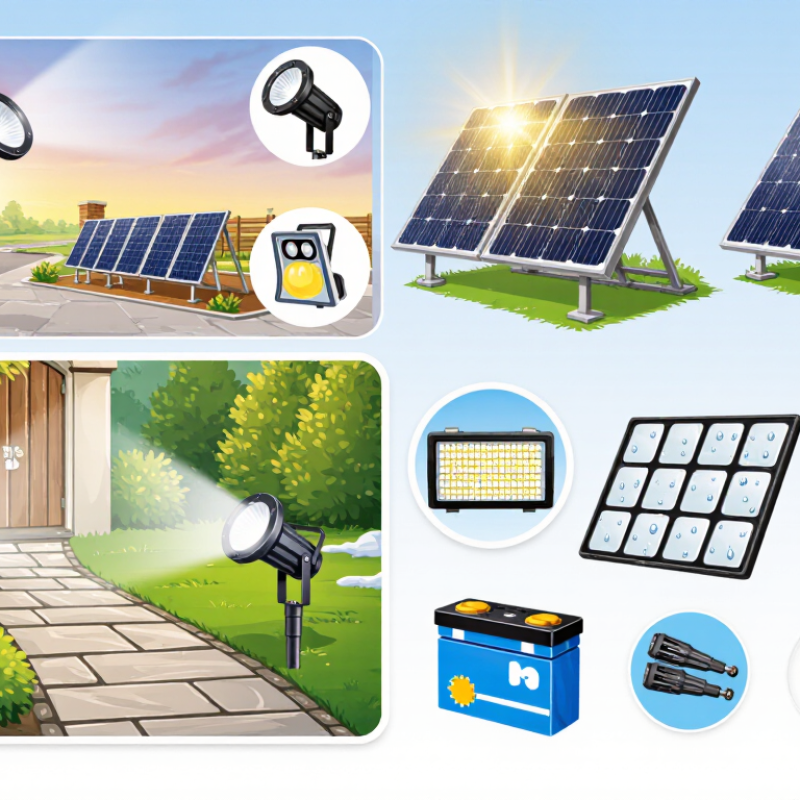
10 Tips for Solar Motion Spotlights Outdoor Buyers

What Solar Motion Spotlights Are and How They Work

Solar motion spotlights combine a photovoltaic panel, rechargeable battery, motion sensor, controller, and LED lamp. During daylight, the panel converts sunlight into electrical energy. The controller stores that energy in the battery for nighttime use.

Most models use a passive infrared sensor, often called PIR. It detects changes in heat from moving people or animals. When movement crosses its sensing area, the controller sends power to the LEDs. The light then turns on for a selected period, often between several seconds and a few minutes.

That delay matters.

In my experience, placement affects performance more than advertised brightness. Mounting the panel beneath deep eaves can leave the battery weak after cloudy days. A sensor facing a busy walkway may activate too often. I once aimed one toward a warm ventilation outlet, and the light triggered without anyone nearby. Adjusting the angle solved most of the problem, but not perfectly.

Choose a location with direct sunlight and a clear detection path. Keep branches, walls, and reflective surfaces away from the sensor. Check the product’s water-resistance rating before exposing it to heavy rain. An IP rating can indicate protection, but installation still matters. Winter darkness, dust on the panel, and aging batteries can reduce operating time. Some units also use separate panel wiring, which helps when the best lighting position lacks enough sunlight.
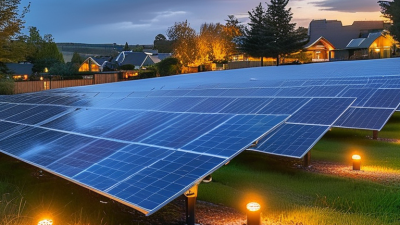
Key Features to Compare Before Buying

10 Tips for Solar Motion Spotlights Outdoor Buyers

Key Features to Compare Before Buying

Buying solar motion spotlights starts with matching features to your yard. A bright lamp is not always a better lamp. Compare lumen output, beam angle, and color temperature together. A narrow path may need 600 to 1,000 lumens. A driveway needs wider coverage, not simply more brightness. Motion detection range also matters. A simple evening walk can reveal missed side approaches. Small details matter.

Compare the solar panel size, battery capacity, and charging time. A larger panel usually helps during cloudy weeks. However, panel placement can matter more than panel size. Look for a clear IP rating for rain and dust resistance. Check the stated operating temperature, especially in freezing regions. Adjustable panels and light heads make installation easier. Test it at dusk. Brightness claims can feel different outdoors.

Review the motion sensor’s angle, sensitivity, and activation duration. Excessive sensitivity may trigger lights from passing pets or tree movement. A weak setting may miss someone approaching from the side. Choose a fixture with secure mounting hardware and a stable housing. Inspect the cable seals and battery compartment before installation. Replaceable batteries can reduce long-term waste and maintenance costs. Still, replacement access is sometimes awkward. Read the instructions carefully, then test coverage from several walking directions.

How to Choose Brightness, Coverage, and Detection Range

Choosing a solar motion spotlight starts with the ground, not the product box. Lumens describe light output, while lux describes light reaching a surface. The U.S. Department of Energy reports that LEDs use at least 75% less energy than incandescent lighting. They can also last up to 25 times longer. For a doorway, 400–800 lumens may provide practical visibility. Larger driveways need more output, but excessive brightness can create glare.

Coverage depends on beam angle and mounting height. A narrow beam can brighten a gate but leave dark edges. A wider beam usually suits patios, paths, and vehicle entrances. Mount the fixture around 2–3 meters high, then walk across the detection zone. The sensor should notice a person before they reach the doorway. My first installation faced a wall, and the sensor reacted late. It looked fine on paper.

Detection range needs careful testing. Treat advertised distance as a ceiling, not a promise. Heat, rain, foliage, and a cold moving body can reduce responsiveness. Choose adjustable sensitivity and a detection angle near 120 degrees for many residential approaches. The International Energy Agency’s Renewables 2024 report states that solar photovoltaic systems supplied about three-quarters of renewable capacity additions in 2023. That growth makes solar lighting more common, but performance still depends on winter sunlight, panel direction, and battery storage. Check the installer’s measured range after dark. Five meters may be enough. Ten meters may trigger unwanted movement.

10 Tips for Solar Motion Spotlights Outdoor Buyers - How to Choose Brightness, Coverage, and Detection Range

Tip Key Buying Dimension Typical Outdoor Benchmark What to Look For Practical Recommendation
1 Choose suitable brightness Approximately 200–500 lumens for pathways and entrances; 500–1,000+ lumens for driveways and larger yards. Check the stated lumen output rather than relying only on the number of LEDs. Select brightness according to the area size and security needs. Excessive brightness can create glare and unnecessary light pollution.
2 Match the beam angle to the area About 90°–120° is common for focused coverage; wider designs can reach approximately 180°. Review the beam angle and whether the light head can be tilted or rotated. Use a narrower beam for a gate or doorway and a wider beam for a wall, garden, or driveway.
3 Check motion detection range Most residential solar motion lights detect movement from approximately 3–10 meters away. Look for the maximum detection distance and verify whether it is measured in open space. Choose a longer range for driveways and paths, but avoid positioning the sensor toward busy roads or public walkways.
4 Review the detection angle Common sensor coverage is approximately 90°–120°; some wide-angle sensors cover up to around 180°. Confirm the horizontal sensing angle and whether the sensor can be adjusted vertically. Position the sensor across the expected movement path rather than directly facing approaching people for more reliable triggering.
5 Consider solar charging performance A full charge commonly requires several hours of direct sunlight, while cloudy conditions reduce charging efficiency. Check the panel size, panel orientation, battery capacity, and stated runtime. Install the panel where it receives unobstructed daylight. Separate-panel designs can help when the light and the sunniest location are not in the same place.
6 Compare nighttime runtime Typical runtime may range from several hours to more than one night, depending on sunlight, battery size, brightness, and trigger frequency. Look for runtime information in both motion-activated and continuous-light modes. For security use, motion-only operation generally preserves more battery power than continuous illumination.
7 Check weather resistance Outdoor fixtures commonly use IP44, IP65, or higher protection ratings. IP65 indicates protection against dust and water jets; it does not mean the product should be submerged. For exposed locations, prefer a well-sealed housing and install it according to the manufacturer’s mounting instructions.
8 Evaluate color temperature Warm white is usually around 2,700–3,000 K; neutral white is around 3,500–4,100 K; cool white is around 5,000–6,500 K. Check the Kelvin rating and whether the light is fixed or adjustable. Warm or neutral white is comfortable for entrances and patios, while cool white can provide a sharper appearance for security areas.
9 Inspect adjustment and control options Useful features may include adjustable heads, motion sensitivity, timer settings, brightness modes, and dusk-to-dawn control. Confirm which settings are physically adjustable and which require a remote control or mobile application. Adjustable sensitivity helps reduce false triggers caused by small animals, moving branches, or nearby traffic.
10 Plan installation height and placement A mounting height of approximately 2–3 meters is common for many residential applications. Check the recommended mounting height, installation hardware, cable length, and access for cleaning the panel. Mount the light high enough to reduce tampering, while keeping the sensor directed toward the area where movement is expected.

Buying note: Actual brightness, detection distance, runtime, and coverage can vary with temperature, battery condition, sunlight, mounting position, weather, and surrounding objects. Use the stated specifications as a guide and compare products under similar test conditions.

Solar Panel Placement, Battery Capacity, and Weather Resistance

Choosing solar motion spotlights starts with placement, not brightness. During outdoor checks, a south-facing panel often captures strong daylight in northern locations. Nearby walls can still create afternoon shade. Keep the panel clear of branches, roof edges, and dust. Angle it toward the open sky. A small tilt adjustment may matter during winter.

Tip: Watch the panel at midday. Five minutes can reveal a poor mounting point.

Battery capacity determines whether the light works after cloudy days. A larger battery helps, but it may charge slowly when panel output is limited. Check watt-hours when listed, not only milliamp-hours. Runtime claims often assume low brightness and few activations. Record nighttime triggers for several evenings. That gives a more realistic estimate.

Tip: Choose adjustable brightness and motion range. A narrow detection zone can reduce wasted power near paths and driveways.

Weather resistance needs evidence. Look for an IP rating, sealed joints, covered ports, and UV-resistant housing. An IP65 rating can resist dust and water jets, but it cannot guarantee protection from flooding or freezing. Mounting hardware should resist corrosion. Water may collect behind the panel, where rain damage is easy to miss. Leave drainage space and inspect seals each season. I still find this step easy to forget.

Tip: Check for condensation after storms. Persistent moisture is a warning, not a minor flaw.

Installation, Maintenance, and Outdoor Safety Considerations

10 Tips for Solar Motion Spotlights Outdoor Buyers

Choose a location that receives six to eight hours of direct sunlight daily. Nearby walls, trees, and roof edges can reduce charging. Mark the mounting position before drilling. Keep the light high enough to discourage tampering, but low enough for safe adjustment. A level base helps prevent water collecting around the housing. Aim the sensor toward walkways, not busy roads or moving branches. Test the detection range at night with a slow walk. Small changes matter.

Use corrosion-resistant screws suited to the mounting surface. Tighten them firmly, but avoid cracking plastic brackets. Check seals after installation, especially before heavy rain. Solar equipment is weather-resistant, not weather-proof forever. Inspect the panel every few months. Dust, pollen, and bird marks can reduce charging. Wipe it gently with a damp, soft cloth. Do not use abrasive cleaners. Keep the sensor clear of spider webs and leaves.

Rechargeable batteries gradually lose capacity. Replace them only with the correct type and rating. Cold winters may shorten operating time. Adjust the panel angle when seasonal sunlight changes. Bright, sudden lighting can disturb neighbors or drivers, so avoid aiming toward bedrooms and roads. Motion lights can also startle people on steps. I once placed a sensor too close to a gate, causing repeated activation. Careful observation, not assumptions, prevents that mistake. Keep wiring-free installations away from unstable ladders and inspect loose hardware promptly.